

As an established supplier in the field of air conditioning pipelines, I've witnessed firsthand the evolution of materials used in this crucial component of HVAC systems. Among the various options available, aluminum air conditioning pipelines have emerged as a top choice for many reasons. In this blog, I'll delve into the numerous advantages that aluminum brings to the table, comparing it with traditional options like copper.
Lightweight and Easy Installation
One of the most significant advantages of aluminum air conditioning pipelines is their lightweight nature. Aluminum has a much lower density than copper. This characteristic makes them significantly lighter, which is a huge plus during installation. For instance, when installing a large - scale commercial air conditioning system that requires extensive piping, the reduced weight of aluminum pipes means less physical exertion for the installation team. They can easily maneuver and position the pipes without the need for heavy - duty lifting equipment in many cases.
Moreover, the easier handling also translates to faster installation times. In a business environment where downtime is costly, a quicker installation of the air conditioning system can save a great deal of money. Contractors can complete projects in a shorter period, allowing businesses to resume normal operations without long interruptions. This efficiency not only benefits the end - users but also the contractors, as they can take on more projects in a given time frame.
Cost - Effective
Cost is always a major consideration in any construction or HVAC project. Aluminum is generally more affordable than copper. The raw material cost of aluminum is lower, and this cost - advantage is passed on to the end - user. For large - scale projects, the savings can be substantial. For example, in a multi - story building project where hundreds of meters of air conditioning pipelines are required, choosing aluminum over copper can result in significant cost reductions in the overall budget.
In addition to the initial material cost savings, the lower weight of aluminum also reduces transportation costs. Since less fuel is needed to transport lighter pipes, it further contributes to the overall cost - effectiveness of using aluminum air conditioning pipelines. This makes aluminum a very attractive option for both budget - conscious consumers and large - scale developers looking to optimize their project costs.
Corrosion Resistance
Aluminum has a natural ability to resist corrosion. When exposed to air, aluminum forms a thin, protective oxide layer on its surface. This layer acts as a barrier, preventing further oxidation and corrosion of the metal. In contrast, copper, although corrosion - resistant to some extent, can be more susceptible to certain environmental factors. For example, in coastal areas where the air contains a high concentration of salt, copper pipes may experience more severe corrosion over time.
The corrosion resistance of aluminum air conditioning pipelines ensures a longer lifespan. They are less likely to develop leaks or structural failures due to corrosion, reducing the need for frequent repairs and replacements. This not only saves money but also provides a more reliable air conditioning system for the end - user. A properly installed aluminum pipeline can last for many years, providing continuous and efficient service.
Good Thermal Conductivity
While copper is well - known for its excellent thermal conductivity, aluminum also has a decent thermal conductivity. Aluminum can effectively transfer heat, which is essential for the proper functioning of an air conditioning system. In fact, modern aluminum alloys are designed to enhance their thermal performance, making them a viable alternative to copper in many applications.
The ability to transfer heat efficiently helps in maintaining the optimal performance of the air conditioning unit. It allows the refrigerant to absorb and release heat effectively, ensuring that the system can cool or heat the space as required. This results in better energy efficiency and a more comfortable indoor environment.
Compatibility with Refrigerants
Aluminum air conditioning pipelines are highly compatible with a wide range of refrigerants. Whether it's a traditional refrigerant or a newer, more environmentally friendly one, aluminum pipes can handle it effectively. This compatibility is crucial as the HVAC industry is constantly evolving to use more sustainable refrigerants.
Using pipes that are compatible with different refrigerants means that an air conditioning system can be easily upgraded or retrofitted in the future. As new and better refrigerants are developed, the existing aluminum pipelines can continue to be used, which is a cost - saving advantage for building owners.

Flexibility
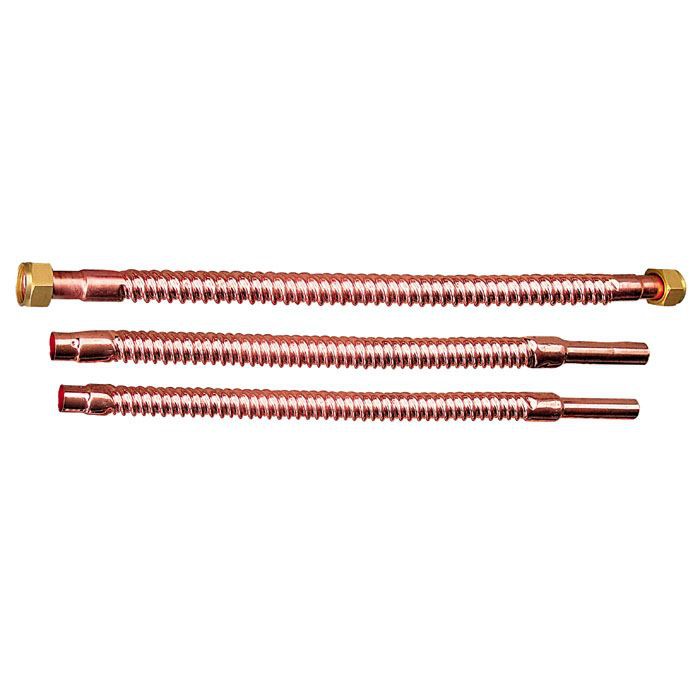
Aluminum pipes offer greater flexibility compared to copper pipes. This flexibility allows for easier routing around obstacles during installation. In complex building layouts, where pipes need to be bent and shaped to fit into tight spaces, the flexibility of aluminum pipes is a significant advantage.
It also reduces the need for additional fittings and joints. Fewer joints mean fewer potential leak points, which further enhances the reliability of the air conditioning system. Moreover, the flexibility of aluminum pipes can help in absorbing vibrations from the air conditioning unit, reducing noise and wear on the system.
In comparison, traditional options like Corrugated Metal Copper Tube, AC Copper Pipeline, and Copper Pipe for Air Conditioner have their own merits. Copper has excellent thermal conductivity and is a well - trusted material in the HVAC industry. However, as discussed, aluminum offers a combination of advantages such as cost - effectiveness, lightweight, and corrosion resistance that make it a strong competitor.
If you're considering an air conditioning project, whether it's for a residential or commercial building, I encourage you to explore the benefits of aluminum air conditioning pipelines. As a professional air conditioning pipeline supplier, I can provide you with high - quality aluminum pipes that meet your specific requirements. Our team of experts can also offer guidance on installation and maintenance to ensure that you get the most out of your air conditioning system.
If you're interested in learning more about our products, or if you have any questions regarding air conditioning pipelines, feel free to reach out to us to start a procurement discussion. We're committed to providing the best solutions for your air conditioning needs.
References
- "HVAC Systems Design Handbook": This comprehensive guide provides in - depth knowledge about the design and selection of components in HVAC systems, including different types of air conditioning pipelines.
- "Materials Science in Building Construction": A valuable resource that details the properties and applications of various construction materials, with a section on the use of metals in air conditioning systems.
- Industry reports from HVAC research institutions: These reports often contain up - to - date information on the performance and trends of different air conditioning pipeline materials.