


A refrigeration filter drier is a crucial component in any refrigeration or air - conditioning system. It plays a vital role in maintaining the efficiency and longevity of the system by removing moisture, contaminants, and acid from the refrigerant. As a supplier of Refrigeration Filter Driers, I have witnessed firsthand the importance of these devices and the problems that can arise when they malfunction. In this blog, I will discuss the signs of a faulty refrigeration filter drier, helping you to identify and address issues before they cause significant damage to your system.
1. Reduced Cooling Capacity
One of the most noticeable signs of a faulty refrigeration filter drier is a reduced cooling capacity. When the filter drier becomes clogged or fails to function properly, it restricts the flow of refrigerant through the system. This restriction can lead to a decrease in the amount of refrigerant reaching the evaporator coil, which in turn reduces the system's ability to absorb heat from the surrounding environment.
As a result, you may notice that your refrigerator or air - conditioning unit is not cooling as effectively as it used to. The temperature inside the refrigerated space may rise, or the air coming from the air - conditioning vents may not be as cold. If you experience a gradual decline in cooling performance, it could be a sign that the filter drier needs to be checked or replaced.
2. High Discharge Pressure
Another sign of a faulty filter drier is high discharge pressure. A clogged or inefficient filter drier can cause an increase in the pressure of the refrigerant as it leaves the compressor. This is because the restricted flow of refrigerant creates a back - pressure in the system, forcing the compressor to work harder to push the refrigerant through the clogged filter.
High discharge pressure can put additional stress on the compressor, leading to increased energy consumption and potential compressor failure over time. If you notice that your system's pressure gauges are showing unusually high discharge pressure readings, it is essential to inspect the filter drier for any signs of blockage or malfunction.
3. Low Suction Pressure
In addition to high discharge pressure, a faulty filter drier can also cause low suction pressure. When the filter drier is clogged, it restricts the flow of refrigerant to the evaporator coil. As a result, the pressure of the refrigerant at the inlet of the evaporator (suction pressure) drops.
Low suction pressure can lead to poor evaporation of the refrigerant in the evaporator coil, reducing the system's cooling efficiency. It can also cause the compressor to draw in less refrigerant, which can lead to overheating and premature wear of the compressor components. If you observe low suction pressure readings on your system's pressure gauges, it may be an indication of a problem with the filter drier.
4. Frost or Ice Build - up
Frost or ice build - up on the evaporator coil or suction line can be a sign of a faulty filter drier. When the filter drier is clogged, the reduced flow of refrigerant can cause the temperature of the evaporator coil to drop below the dew point. This can result in moisture in the air condensing and freezing on the coil or suction line.
Frost or ice build - up not only reduces the efficiency of the evaporator but can also cause damage to the coil over time. If you notice frost or ice forming on the evaporator coil or suction line, it is important to address the issue promptly to prevent further damage to the system.
5. Excessive Noise
A faulty filter drier can also cause excessive noise in the refrigeration or air - conditioning system. When the filter is clogged, the compressor has to work harder to push the refrigerant through the restricted passage. This increased workload can cause the compressor to vibrate more than normal, resulting in louder operating noise.
In addition, the restricted flow of refrigerant can cause turbulent flow in the system, which can also produce noise. If you notice an increase in the noise level of your system, it could be a sign that the filter drier is causing problems.
6. Contaminated Refrigerant
A malfunctioning filter drier may fail to remove contaminants and acid from the refrigerant effectively. Over time, contaminants such as dirt, metal particles, and moisture can accumulate in the refrigerant, causing corrosion and damage to the system components.
You can check for contaminated refrigerant by performing a refrigerant analysis. If the analysis reveals high levels of contaminants or acid in the refrigerant, it is likely that the filter drier is not working properly. Replacing the filter drier and flushing the system may be necessary to remove the contaminants and restore the system's performance.

7. Compressor Overheating
As mentioned earlier, a clogged filter drier can cause the compressor to work harder, leading to increased energy consumption and potential overheating. Compressor overheating is a serious issue that can cause permanent damage to the compressor if not addressed promptly.
The increased workload on the compressor due to the restricted refrigerant flow can cause the motor windings to overheat, leading to insulation breakdown and eventually compressor failure. If you notice that the compressor is running hot to the touch or if the system's thermal overload protection trips frequently, it could be a sign of a faulty filter drier.
Importance of Regular Maintenance
To prevent the problems associated with a faulty filter drier, it is crucial to perform regular maintenance on your refrigeration or air - conditioning system. This includes inspecting the filter drier at regular intervals and replacing it when necessary.
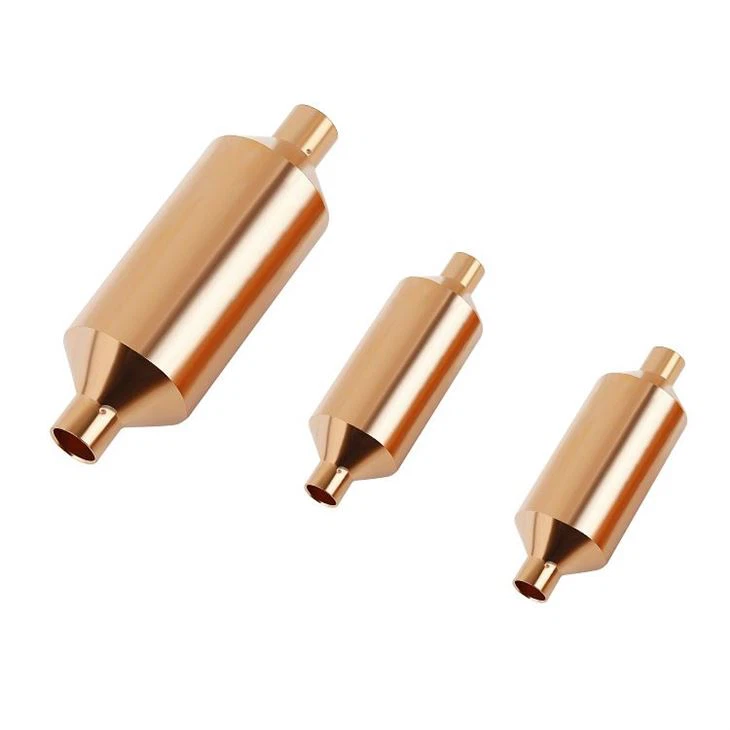
As a supplier of Refrigeration Filter Driers, we offer a wide range of high - quality products, including Refrigerator Dryer Filter, AC Filter Driers, and Copper Filter Drier. Our filter driers are designed to provide efficient moisture and contaminant removal, ensuring the optimal performance of your system.
If you suspect that your filter drier is faulty or if you have any questions about our products, we encourage you to contact us for a consultation. Our team of experts can help you select the right filter drier for your specific application and provide guidance on installation and maintenance. Don't let a faulty filter drier compromise the performance and reliability of your refrigeration or air - conditioning system. Reach out to us today to discuss your procurement needs and ensure the long - term efficiency of your equipment.
References
- ASHRAE Handbook - Refrigeration. American Society of Heating, Refrigerating and Air - Conditioning Engineers.
- Refrigeration and Air - Conditioning Technology. Eugene Silberstein, et al.


