

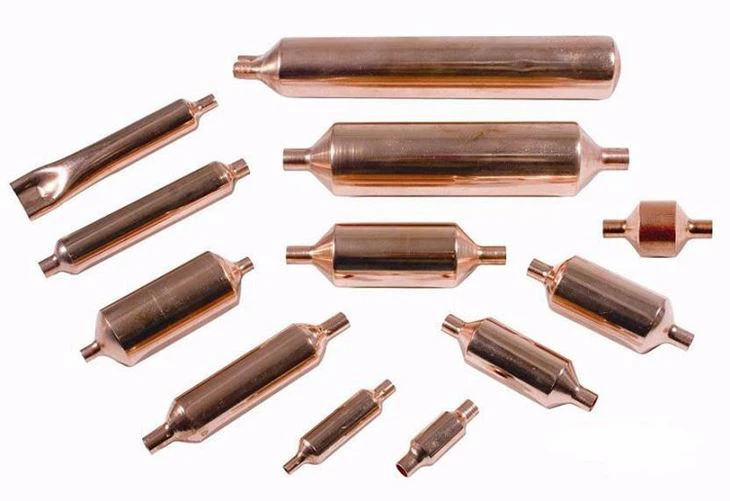
A refrigeration filter drier is a crucial component in any refrigeration system. It serves multiple functions, primarily removing moisture, contaminants, and acids from the refrigerant. Over time, however, these filter driers can become clogged, which can lead to a variety of issues in the refrigeration system. As a reputable supplier of Copper Filter Drier for Refrigeration, Refrigeration Copper Filter Drier, and Two Way Filter Copper, we understand the importance of recognizing the symptoms of a clogged filter drier to ensure the efficient operation of your refrigeration system.

Reduced Cooling Capacity
One of the most noticeable symptoms of a clogged refrigeration filter drier is a reduced cooling capacity. When the filter drier is clogged, the flow of refrigerant through the system is restricted. This restriction causes the compressor to work harder to maintain the desired pressure and temperature levels. As a result, the amount of refrigerant that can reach the evaporator coil is limited, leading to a decrease in the system's ability to absorb heat from the surrounding environment.
You may notice that your refrigerator or air conditioning unit is not cooling as effectively as it used to. The temperature inside the refrigerated space may not reach the set level, or it may take much longer to cool down. In some cases, you may even feel warm air coming from the vents instead of cold air. This reduced cooling capacity not only affects the comfort of your living or working environment but also increases energy consumption as the compressor runs for longer periods to try and achieve the desired temperature.
Higher Energy Consumption
As mentioned earlier, a clogged filter drier forces the compressor to work harder. This increased workload results in higher energy consumption. The compressor has to use more power to overcome the resistance caused by the clogged filter drier and maintain the proper refrigerant flow. Over time, this can lead to significantly higher electricity bills.
If you notice a sudden increase in your energy costs without any other apparent reason, it could be a sign of a clogged filter drier. Monitoring your energy consumption regularly can help you detect this issue early. Compare your current energy bills with previous ones, and if you see a consistent upward trend, it's worth checking the condition of your filter drier.
Compressor Overheating
The compressor is the heart of the refrigeration system, and it is designed to operate within a specific temperature range. When the filter drier is clogged, the increased pressure and resistance in the system can cause the compressor to overheat. The compressor has to work harder to pump the refrigerant through the restricted filter drier, generating more heat in the process.
Overheating can cause serious damage to the compressor. It can lead to the breakdown of the compressor's lubricating oil, which can result in increased friction and wear on the compressor's moving parts. In severe cases, the compressor may fail completely, requiring expensive repairs or replacement. You may notice signs of compressor overheating, such as a burning smell coming from the unit, unusual noises, or the compressor shutting off unexpectedly.
Frost or Ice Buildup
Another symptom of a clogged filter drier is frost or ice buildup on the evaporator coil or refrigerant lines. When the refrigerant flow is restricted, the pressure and temperature in the evaporator coil can drop below normal levels. This drop in temperature causes the moisture in the air to freeze on the coil or lines, resulting in frost or ice buildup.
Frost or ice buildup on the evaporator coil can further reduce the system's cooling efficiency. It acts as an insulator, preventing the coil from effectively absorbing heat from the surrounding air. In addition, the ice can block the airflow through the coil, reducing the amount of cold air that can be circulated throughout the refrigerated space. If you notice frost or ice on the evaporator coil or refrigerant lines, it's important to address the issue promptly to prevent further damage to the system.
Unusual Noises
A clogged filter drier can also cause unusual noises in the refrigeration system. As the refrigerant struggles to flow through the restricted filter drier, it can create a hissing or whistling sound. This sound is often a sign of high-pressure refrigerant trying to force its way through the blockage.
In addition to the hissing or whistling sound, you may also hear rattling or banging noises coming from the compressor or other parts of the system. These noises can be caused by the increased vibration and stress on the components due to the restricted refrigerant flow. If you hear any unusual noises coming from your refrigeration unit, it's important to have it inspected by a professional technician as soon as possible.
Pressure Imbalances
A clogged filter drier can disrupt the normal pressure balance in the refrigeration system. The pressure on the high side of the system (before the filter drier) may increase, while the pressure on the low side (after the filter drier) may decrease. These pressure imbalances can cause a variety of problems, including reduced cooling capacity, compressor damage, and inefficient operation of the system.
Pressure gauges can be used to monitor the pressure levels in the refrigeration system. If you notice significant differences in the pressure readings compared to the normal operating range, it could be a sign of a clogged filter drier. A professional technician can use these pressure readings to diagnose the problem and determine the appropriate course of action.
Oil Stains or Leaks
In some cases, a clogged filter drier can cause oil stains or leaks in the refrigeration system. The increased pressure and stress on the system can cause the refrigerant oil to leak out through seals and connections. You may notice oil stains around the filter drier or other components of the system.
Oil leaks not only indicate a problem with the filter drier but also pose a risk to the environment and the proper functioning of the system. The refrigerant oil is essential for lubricating the compressor's moving parts and preventing wear and tear. If the oil level in the system drops too low, it can cause the compressor to fail.
Frequent System Cycling
A clogged filter drier can also cause the refrigeration system to cycle on and off more frequently. The system may turn on and off in an attempt to maintain the desired temperature, but due to the reduced cooling capacity, it is unable to do so effectively. This frequent cycling not only puts additional stress on the components of the system but also increases energy consumption.
If you notice that your refrigeration unit is cycling on and off more often than usual, it could be a sign of a clogged filter drier. This issue should be addressed promptly to prevent further damage to the system and to ensure its efficient operation.
Conclusion
Recognizing the symptoms of a clogged refrigeration filter drier is essential for maintaining the efficiency and longevity of your refrigeration system. If you notice any of the symptoms mentioned above, it's important to have your filter drier inspected and replaced if necessary. As a leading supplier of high-quality Copper Filter Drier for Refrigeration, Refrigeration Copper Filter Drier, and Two Way Filter Copper, we offer a wide range of filter driers to meet the needs of different refrigeration systems.
If you have any questions about our products or need assistance in choosing the right filter drier for your system, please don't hesitate to contact us. Our team of experts is ready to help you ensure the optimal performance of your refrigeration system. Regular maintenance and timely replacement of your filter drier can save you money on energy costs, prevent costly repairs, and extend the lifespan of your refrigeration equipment.
References
- ASHRAE Handbook - Refrigeration. American Society of Heating, Refrigerating and Air-Conditioning Engineers.
- Refrigeration and Air Conditioning Technology. Eugene Silberstein, Eugene Wentz.