

Hey there, HVAC enthusiasts and DIY warriors! As an air conditioning pipeline supplier, I get asked a ton of questions. One question that pops up more often than not is, "What is the maximum allowable length of an air conditioning pipeline?" It's a tricky one, but don't worry – I'm here to break it down for you.
First off, why does the length even matter? Well, an AC system works by moving refrigerant between the indoor and outdoor units. This refrigerant carries heat from inside your place to the outside. The pipeline is the highway for this refrigerant. If it's too long, the refrigerant has to travel a greater distance, which can cause a drop in pressure and efficiency. That means your AC won't cool as well, and it might even end up using more energy, costing you more in the long run.
Now, let's talk about the factors that determine the maximum allowable length. The first one is the type of refrigerant being used. Different refrigerants have different properties, such as viscosity and heat transfer capabilities. For example, newer refrigerants like R - 410A are more efficient but also more sensitive to pressure drops. You can't stretch the pipeline as far with R - 410A as you could with some older refrigerants. Manufacturers usually provide guidelines on the maximum allowable pipeline length based on the refrigerant they recommend for their AC units.
The capacity of the air conditioner is another crucial factor. A small, single - room AC unit can't handle as long a pipeline as a large, commercial system. Larger systems have more powerful compressors and can push the refrigerant through longer distances. So, if you're using a high - capacity AC, you might be able to have a longer pipeline compared to a low - capacity one.
The diameter of the pipeline also plays a big role. A wider pipeline offers less resistance to the flow of the refrigerant. Think of it like a water pipe – a wider pipe allows water to flow more easily. So, if you increase the diameter of the AC pipeline, you can potentially increase its maximum allowable length. But you have to be careful, because using a pipe that's too wide can also lead to issues like poor oil return in the system.
Then there's the number of bends in the pipeline. Every bend in the pipe causes the refrigerant to change direction, which creates additional resistance. If you've got a lot of bends in a short pipeline, it can be just as bad as having a really long, straight pipeline. To minimize this problem, you can use high - quality fittings, like the 90 Degree Long - Elbow Copper Fitting. These fittings are designed to reduce the resistance caused by bends and keep the refrigerant flowing smoothly.
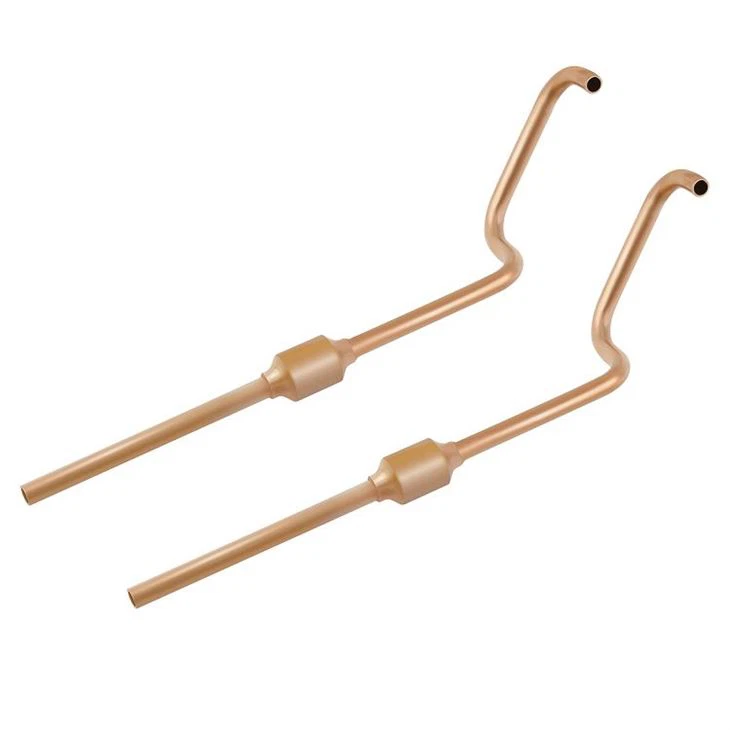
Most of the time, copper is the go - to material for AC pipelines, and for good reason. Copper is highly resistant to corrosion, has excellent heat transfer properties, and is relatively easy to work with. You can find a great selection of Copper Pipe for Air Conditioner that are specifically made for AC systems. Another option is the Corrugated Metal Copper Tube, which offers flexibility while still maintaining good performance.
In general, for small residential AC units, the maximum allowable pipeline length is usually around 15 - 25 meters. But for larger commercial systems, it can go up to 50 meters or more, depending on the factors we've discussed. Keep in mind that these are just rough estimates, and you should always consult the manufacturer's specifications for your specific AC unit.
Now, here's a little insider tip. Sometimes, if you need to go beyond the recommended length for some reason, you might be able to use refrigerant line amplifiers or boosters. These devices help to increase the pressure of the refrigerant and keep it flowing properly. However, using these isn't a one - size - fits - all solution, and you need to make sure they're compatible with your system.
When you're installing or extending an AC pipeline, it's crucial to follow proper installation procedures. Make sure the pipes are properly insulated to prevent heat gain or loss. Also, ensure that the connections are secure and leak - free. Any leaks in the pipeline can cause the refrigerant to escape, which not only affects the performance of the AC but can also be harmful to the environment.
If you're in the market for high - quality air conditioning pipelines, you've come to the right place. I can provide you with a wide range of options to suit your needs. Whether you're working on a small home project or a large commercial installation, I've got the products and the expertise to help you make the right choice.
If you have any questions about the maximum allowable length of an air conditioning pipeline or need advice on which products are best for your situation, feel free to reach out. Let's have a chat about your project, and I'm sure we can find the perfect solution together. Whether it's a technical query or a negotiation on product pricing, I'm here to assist you every step of the way.
Remember, getting the right pipeline length and components is essential for the efficient operation of your AC system. So, don't hesitate to get in touch for a friendly, professional chat about your air conditioning pipeline needs.

References:
- HVAC Installation Manuals from Major Manufacturers
- Technical Guides on Refrigerant Performance and Pipeline Design
- Industry Standards for Air Conditioning System Installation