


Hey there! I'm a supplier of HVAC copper fittings, and I often get asked this question: Are HVAC copper fittings resistant to corrosion? Well, let's dive right in and explore this topic in detail.
First off, copper has long been a top - choice material in the HVAC industry. It's got some pretty amazing properties that make it perfect for this field. One of the main reasons is its natural resistance to corrosion. Copper forms a protective layer on its surface when it comes into contact with oxygen and other elements in the environment. This thin layer, called patina, acts as a barrier that prevents further corrosion. For HVAC systems, this is a huge plus because it means the copper fittings can last a long time without getting damaged by rust or other forms of deterioration.

Think about the conditions inside an HVAC system. There's often a mix of moisture, air, and sometimes even chemicals. Other materials might start to break down quickly under these conditions, but copper can hold up well. The patina that forms on the copper fittings is self - healing to some extent. If the surface gets slightly scratched or damaged, the exposed copper will quickly react with the air and moisture to form a new layer of patina, protecting it from further corrosion.
Let's talk about different types of corrosion that might affect HVAC systems and how copper fittings handle them. One common type is galvanic corrosion. This happens when two different metals are in contact with each other in the presence of an electrolyte (like water). Copper is a relatively noble metal, which means it has a low tendency to corrode when paired with many other common metals. However, if it's in contact with a more active metal like zinc or aluminum in a wet environment, there could be a risk of galvanic corrosion. But with proper insulation and installation techniques, we can minimize this risk. For example, using non - conductive gaskets between different metals can prevent direct contact and reduce the chances of galvanic corrosion.
Another form of corrosion is pitting corrosion. This is where small holes or pits form on the surface of the metal. Copper is generally quite resistant to pitting, but certain conditions can increase the risk. For instance, if there are high levels of chlorides in the water or if the HVAC system is operating in a coastal area where the air has a high salt content, pitting could be more of a concern. However, if we use high - quality copper fittings and maintain the system properly, we can keep pitting at bay.
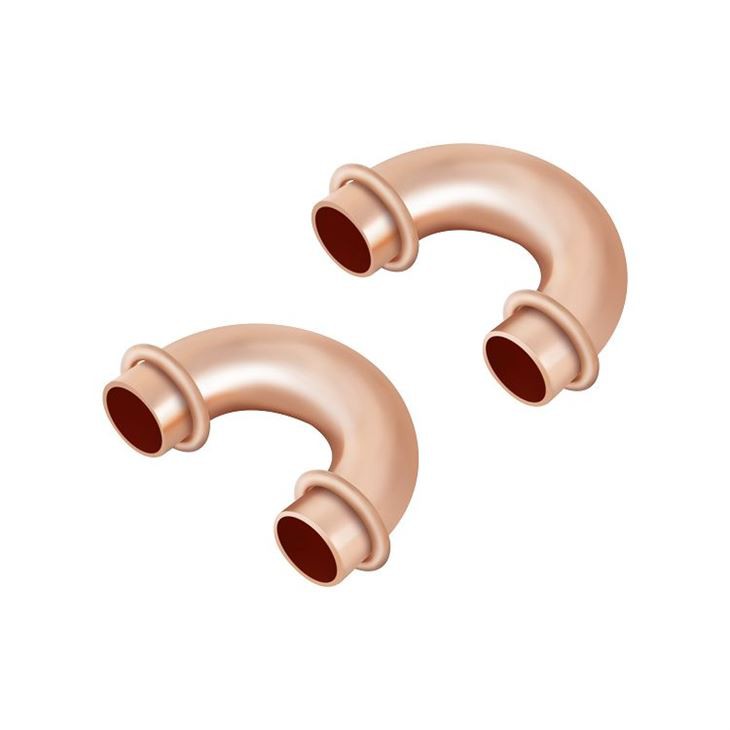
Now, let's take a look at some of the copper fittings we offer. First, there's the U Copper Pipe. These pipes are made from high - grade copper, which gives them excellent corrosion resistance. They are often used in air - conditioning and refrigeration systems, where they need to be durable and able to withstand the unique conditions inside these systems.
Our Ac Copper Fittings are another great option. They are designed to fit perfectly and ensure a tight seal in your HVAC system. The copper used in these fittings has been selected for its high quality and resistance to corrosion. They can handle the pressure and temperature changes that occur in an air - conditioning unit without getting corroded easily.
Then there are the Crossover Bend Copper Fittings. These fittings are crucial for redirecting the flow of refrigerant in the HVAC system. Their corrosion resistance is essential because any corrosion could lead to leaks, which would reduce the efficiency of the system and might even cause it to break down.
But it's not just about the material itself; how the fittings are installed and maintained also plays a big role in their corrosion resistance. Installation should be done by professionals who know how to handle copper fittings properly. They need to ensure that all connections are tight and that there's no damage to the surface of the copper during installation. This is because any damage to the protective patina can expose the copper to corrosion.
Maintenance is also key. Regular inspections of the HVAC system can help detect any early signs of corrosion. If a small amount of corrosion is found, it can be treated before it becomes a big problem. For example, cleaning the copper fittings with a mild detergent can remove any dirt or contaminants that might cause corrosion.
In some cases, additional protection can be added to the copper fittings. There are special coatings available that can further enhance the corrosion resistance of copper. These coatings act as an extra layer of protection, especially in harsh environments.
So, to answer the question, yes, HVAC copper fittings are generally resistant to corrosion. But like anything else, their performance depends on a few factors, including the quality of the copper, the installation process, and the maintenance.
If you're in the market for high - quality HVAC copper fittings that offer excellent corrosion resistance, I'd love to talk to you. Whether you're an HVAC contractor, a building owner, or someone involved in the construction of a new facility, we have the right fittings for your needs. Let's have a chat about your project and how our products can meet your requirements.
References
- "Copper in HVAC Systems: Properties and Performance" by HVAC Research Institute
- "Corrosion Prevention in HVAC Equipment" by the American Society of Heating, Refrigerating and Air - Conditioning Engineers