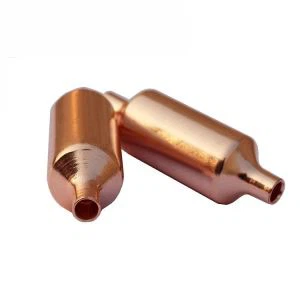
In the realm of air conditioning systems, the role of filter driers cannot be overstated. They are crucial components that ensure the smooth and efficient operation of AC units by removing moisture, contaminants, and acid from the refrigerant. As the world becomes increasingly conscious of environmental issues, the demand for eco - friendly products has also extended to AC filter driers. In this blog, as an AC Filter Driers supplier, I will explore whether there are indeed eco - friendly AC filter driers available and what makes them a sustainable choice.
The Environmental Impact of Traditional AC Filter Driers
Traditional AC filter driers often use materials and processes that can have a negative impact on the environment. For example, some filter driers contain desiccants that are not biodegradable. When these filter driers reach the end of their lifespan, they can end up in landfills, contributing to long - term waste accumulation. Additionally, the manufacturing process of traditional filter driers may involve the use of energy - intensive methods and the emission of harmful pollutants.
The refrigerants used in conjunction with filter driers also play a significant role in environmental impact. Many older refrigerants, such as chlorofluorocarbons (CFCs) and hydrochlorofluorocarbons (HCFCs), are known to deplete the ozone layer. Even though their production has been phased out in many countries under the Montreal Protocol, there are still systems using these refrigerants, and the filter driers associated with them need to be managed properly to prevent further environmental damage.
Characteristics of Eco - Friendly AC Filter Driers
Biodegradable Materials
One of the key features of eco - friendly AC filter driers is the use of biodegradable desiccants. These desiccants can break down naturally over time, reducing the amount of waste that ends up in landfills. For instance, some manufacturers are now using plant - based desiccants that are not only effective at removing moisture but also have a lower environmental footprint. These desiccants can be sourced sustainably, which further enhances their eco - friendliness.
Energy - Efficient Manufacturing
Eco - friendly filter driers are often produced using energy - efficient manufacturing processes. This means that less energy is consumed during production, resulting in lower greenhouse gas emissions. Some manufacturers are investing in renewable energy sources, such as solar or wind power, to power their factories. By doing so, they can significantly reduce the carbon footprint associated with the production of AC filter driers.
Compatibility with Green Refrigerants
Another important aspect of eco - friendly filter driers is their compatibility with green refrigerants. Green refrigerants, such as hydrofluorolefins (HFOs) and natural refrigerants like carbon dioxide (CO₂), ammonia (NH₃), and hydrocarbons (HCs), have a much lower global warming potential (GWP) compared to traditional refrigerants. An eco - friendly filter drier should be designed to work effectively with these green refrigerants, ensuring that the entire air conditioning system operates in an environmentally friendly manner.
Examples of Eco - Friendly AC Filter Driers
There are several types of eco - friendly AC filter driers available in the market. For example, Refrigerator Dryer Filter is designed with a focus on sustainability. It uses a biodegradable desiccant that can efficiently remove moisture from the refrigerant. This filter drier is also compatible with a wide range of green refrigerants, making it a great choice for environmentally conscious consumers.
Copper Filter Drier is another option. Copper is a highly recyclable material, and the manufacturing process of this filter drier is optimized for energy efficiency. It has been engineered to work well with modern, low - GWP refrigerants, ensuring that the air conditioning system it is part of operates in an eco - friendly way.
The Copper Filter Drier for Refrigeration is specifically designed for refrigeration applications. It uses advanced desiccant technology that not only provides excellent moisture and contaminant removal but also has a reduced environmental impact. The use of copper in its construction makes it durable and recyclable, contributing to its overall eco - friendliness.
Benefits of Using Eco - Friendly AC Filter Driers
Reduced Environmental Impact
The most obvious benefit of using eco - friendly AC filter driers is the reduced environmental impact. By using biodegradable materials and energy - efficient manufacturing processes, these filter driers help to minimize waste and greenhouse gas emissions. They also support the use of green refrigerants, which are essential for protecting the ozone layer and reducing global warming.
Compliance with Regulations
As governments around the world implement stricter environmental regulations, using eco - friendly AC filter driers can help businesses and consumers stay compliant. For example, many countries have regulations regarding the use of refrigerants with high GWP. By using filter driers that are compatible with green refrigerants, users can ensure that their air conditioning systems meet these regulatory requirements.
Long - Term Cost Savings
Although eco - friendly AC filter driers may have a slightly higher upfront cost, they can result in long - term cost savings. Energy - efficient manufacturing processes often lead to more reliable products, which means fewer breakdowns and lower maintenance costs. Additionally, as the demand for eco - friendly products increases, the cost of these filter driers is likely to become more competitive over time.
Challenges in the Adoption of Eco - Friendly AC Filter Driers
Higher Initial Cost
One of the main challenges in the adoption of eco - friendly AC filter driers is the higher initial cost. The use of sustainable materials and advanced manufacturing processes can make these filter driers more expensive than their traditional counterparts. This can be a deterrent for some consumers, especially those on a tight budget.
Limited Awareness
Another challenge is the limited awareness of eco - friendly AC filter driers. Many consumers and businesses are not fully aware of the environmental benefits of these products or the availability of eco - friendly options. This lack of awareness can lead to a preference for traditional filter driers, even when eco - friendly alternatives are a better choice.
Compatibility Issues
Ensuring compatibility between eco - friendly filter driers and existing air conditioning systems can also be a challenge. Some older systems may not be designed to work with green refrigerants or the specific desiccants used in eco - friendly filter driers. This can require additional modifications or upgrades to the system, which can be costly and time - consuming.
Conclusion
In conclusion, there are indeed eco - friendly AC filter driers available in the market. These filter driers offer a range of benefits, including reduced environmental impact, compliance with regulations, and long - term cost savings. However, there are also challenges to their adoption, such as higher initial cost, limited awareness, and compatibility issues.
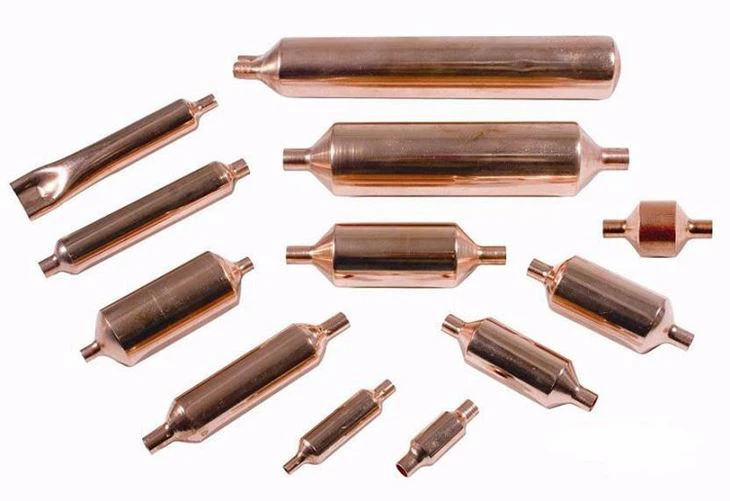

As an AC Filter Driers supplier, I am committed to promoting the use of eco - friendly products. We offer a wide range of eco - friendly filter driers that are designed to meet the needs of different air conditioning systems. If you are interested in learning more about our eco - friendly AC filter driers or would like to discuss a potential purchase, please feel free to reach out. We are here to help you make the right choice for your air conditioning needs while also contributing to a more sustainable future.
References
- "Montreal Protocol on Substances that Deplete the Ozone Layer." United Nations Environment Programme.
- "Refrigerant Management Best Practices." International Institute of Refrigeration.
- "Sustainable Manufacturing in the HVAC Industry." HVAC&R Research Journal.