


Can U copper pipe be used in refrigeration systems?
As a dedicated supplier of U copper pipes, I am frequently asked whether U copper pipes can be used in refrigeration systems. This question is not only relevant but also crucial for anyone involved in the refrigeration industry. In this blog, I will delve into the feasibility, advantages, and considerations of using U copper pipes in refrigeration systems.
Feasibility of Using U Copper Pipes in Refrigeration Systems
U copper pipes are indeed suitable for refrigeration systems. Copper, as a material, has several properties that make it an ideal choice for this application. Firstly, copper has excellent thermal conductivity. In refrigeration systems, efficient heat transfer is essential. The refrigerant needs to absorb heat from the surroundings in the evaporator and release it in the condenser. U copper pipes, with their high thermal conductivity, facilitate this heat transfer process effectively. This means that the refrigeration system can operate more efficiently, reducing energy consumption and improving overall performance.
Secondly, copper is highly corrosion - resistant. Refrigeration systems often contain refrigerants and lubricants that can be corrosive to some metals. However, copper forms a thin oxide layer on its surface when exposed to air, which acts as a protective barrier against corrosion. This ensures the longevity of the U copper pipes in the refrigeration system, reducing the need for frequent replacements and maintenance.

Thirdly, U copper pipes are malleable. They can be easily bent and shaped into the required U - shape without cracking or losing their structural integrity. This flexibility allows for easy installation in various refrigeration system designs, whether it is a small domestic refrigerator or a large commercial cooling unit.
Advantages of U Copper Pipes in Refrigeration Systems
-
Efficient Heat Exchange
As mentioned earlier, the high thermal conductivity of copper enables rapid heat transfer. In a refrigeration system, the U - shape of the pipes increases the surface area in contact with the refrigerant and the surrounding environment. This enhanced surface area maximizes the heat exchange process, leading to faster cooling and better temperature control. For example, in an air - conditioning unit, U copper pipes can quickly absorb heat from the indoor air in the evaporator coil and release it outside through the condenser coil.
-
Leak Resistance
Copper pipes have a tight and uniform structure, which makes them highly resistant to leaks. In refrigeration systems, even a small leak can lead to a significant loss of refrigerant, reducing the system's efficiency and potentially causing environmental damage. U copper pipes, when properly installed and joined, form a reliable and leak - free connection, ensuring the integrity of the refrigeration system. -
Compatibility with Refrigerants
U copper pipes are compatible with a wide range of refrigerants commonly used in the industry, such as R - 134a, R - 410A, and R - 22. This compatibility allows for seamless integration into existing or new refrigeration systems, without the need for special considerations regarding material - refrigerant interactions. -
Aesthetic Appeal
In addition to their functional advantages, U copper pipes also have an aesthetic appeal. They are often used in visible parts of the refrigeration system, such as in some high - end air - conditioning units or display refrigerators. The shiny surface of copper adds a touch of elegance to the overall design.
Considerations When Using U Copper Pipes in Refrigeration Systems
-
Cost
Copper is a relatively expensive material compared to some alternatives such as aluminum. The cost of U copper pipes can be a significant factor, especially for large - scale refrigeration projects. However, it is important to consider the long - term benefits, such as energy savings and reduced maintenance costs, which can offset the initial investment. -
Installation Skills
Proper installation of U copper pipes is crucial for the performance of the refrigeration system. Installers need to have the necessary skills and experience to bend the pipes accurately, make proper connections, and ensure that the pipes are properly supported. Incorrect installation can lead to issues such as restricted refrigerant flow, leaks, and reduced heat transfer efficiency. -
Environmental Impact
Although copper is a recyclable material, the mining and production of copper can have an environmental impact. When sourcing U copper pipes, it is important to choose suppliers who follow sustainable practices and use recycled copper whenever possible.
Our U Copper Pipe Products
At our company, we offer a wide range of U copper pipes suitable for various refrigeration applications. Our 180 Degree Copper U Return Bend is designed to provide a smooth and efficient flow of refrigerant in the system. It is made from high - quality copper, ensuring excellent thermal conductivity and corrosion resistance.
We also have Crossover Bend Copper Fittings, which are ideal for complex refrigeration system layouts. These fittings allow for the proper routing of pipes, ensuring that the refrigerant can flow freely without any obstructions.
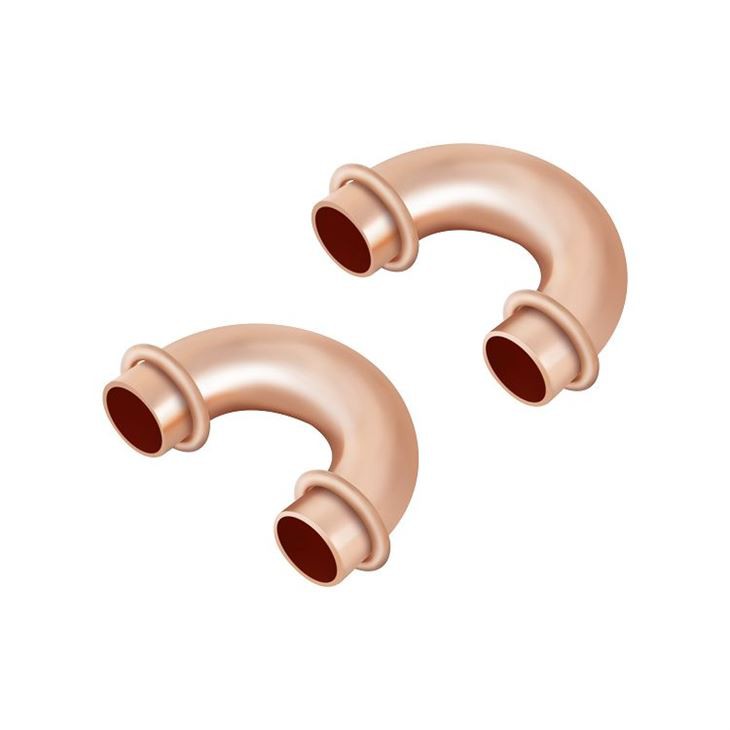
In addition, our Air Conditioning Copper Pipe Fittings are designed to meet the highest industry standards. They are easy to install and provide a secure connection, ensuring the reliability of the refrigeration system.
Conclusion
In conclusion, U copper pipes are a viable and advantageous option for refrigeration systems. Their excellent thermal conductivity, corrosion resistance, malleability, and compatibility with refrigerants make them a popular choice in the industry. Although there are some considerations such as cost and installation skills, the long - term benefits outweigh these challenges.
If you are in the market for high - quality U copper pipes for your refrigeration system, we would be delighted to discuss your requirements. Our team of experts can provide you with the best solutions and advice to ensure that your refrigeration system operates at its optimal performance. Contact us today to start the procurement discussion and take your refrigeration system to the next level.
References
- ASHRAE Handbook of Refrigeration. American Society of Heating, Refrigerating and Air - Conditioning Engineers.
- Copper Development Association. Technical guides on copper applications in refrigeration.
- International Institute of Refrigeration. Publications on refrigeration system design and materials.