


Hey there! As a supplier of refrigeration filters, I often get asked whether these filters need any pre - treatment before installation. It's a great question, and in this blog, I'm gonna break it down for you.
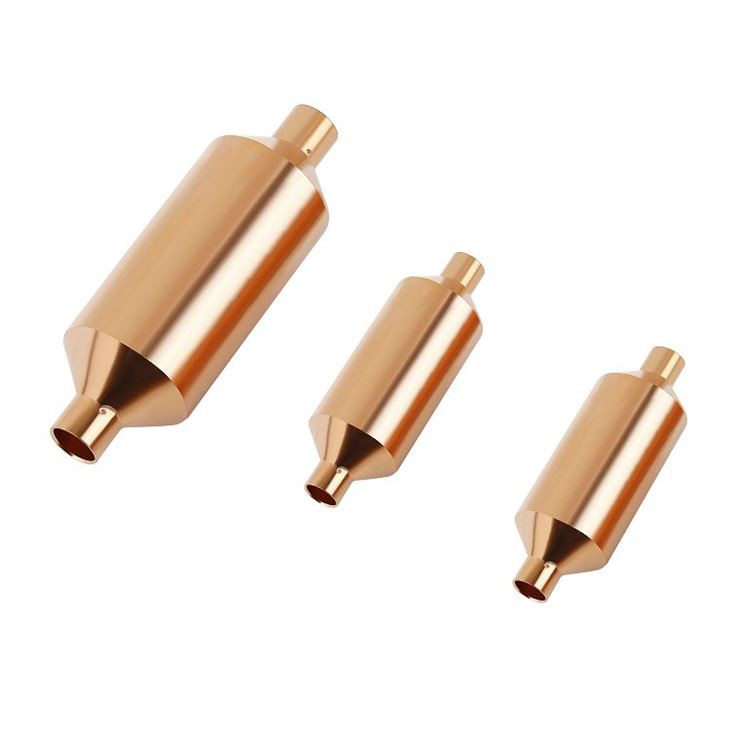
First off, let's understand what refrigeration filters are and what they do. Refrigeration filters, like the Refrigeration Copper Filter, are crucial components in any refrigeration system. They're designed to remove contaminants such as dirt, moisture, and acids from the refrigerant. This helps to keep the system running smoothly, prevent blockages, and extend the lifespan of the equipment.
Now, back to the main question: do they need pre - treatment? Well, it depends on a few factors.
1. Storage Conditions
If the filters have been stored in a proper environment, they might not need much pre - treatment. For instance, if they've been kept in a dry, clean warehouse, away from dust and moisture, they're likely to be in good condition. But if they've been sitting in a damp area or exposed to a lot of dirt, some pre - treatment might be necessary.
Let's say a filter has been stored in a place where there's a high humidity level. Moisture can seep into the filter, which can be a problem because one of the main jobs of the filter is to remove moisture from the refrigerant. In this case, you might want to dry the filter before installation. You can do this by using a low - heat source, like a gentle oven set at a low temperature. Make sure to follow the manufacturer's guidelines on the maximum temperature the filter can withstand.
2. Shipping and Handling
During shipping, filters can get jostled around, and there's a chance that some debris could have entered the filter. If the packaging is damaged, there's an even higher risk. So, it's a good idea to inspect the filter carefully when it arrives.
Take a look at the Copper Drier. If there are any visible signs of damage, like dents or holes in the copper casing, it's best to replace the filter. And if you see any loose particles or debris inside the filter, you can gently blow it out using compressed air. But be careful not to use too much pressure, as this could damage the filter elements.
3. Compatibility with the Refrigeration System
Before installing a filter, you need to make sure it's compatible with the refrigeration system. Different systems use different types of refrigerants, and the filter needs to be able to handle the specific properties of that refrigerant.
For example, some refrigerants are more corrosive than others. If you're using a highly corrosive refrigerant, you might need to pre - treat the filter to protect it from corrosion. This could involve applying a special coating or using a filter made from a more corrosion - resistant material, like the Copper Filter Drier for Refrigeration.
4. System Cleanliness
The cleanliness of the refrigeration system itself also plays a role. If the system has been recently cleaned and is relatively free of contaminants, the filter might not need as much pre - treatment. But if the system has a history of problems, like a lot of sludge or acid build - up, you might want to take some extra steps.
You could flush the system with a suitable cleaning agent before installing the new filter. This helps to remove any remaining contaminants and ensures that the filter doesn't get clogged up too quickly.
Pre - treatment Steps
If pre - treatment is necessary, here are some general steps you can follow:
- Inspection: As mentioned earlier, carefully inspect the filter for any damage or debris. Check the packaging for signs of tampering or damage during shipping.
- Cleaning: If there's visible dirt or debris, gently clean the filter. You can use a soft brush to remove loose particles, and then blow out any remaining debris with compressed air.
- Drying: If the filter is damp, dry it using a low - heat source. Make sure to monitor the temperature closely to avoid damaging the filter.
- Testing: Some filters come with a testing mechanism. For example, you can check the moisture content of the filter using a moisture indicator. If the indicator shows that the filter is too wet, you'll need to dry it further.
Conclusion
So, to sum it up, whether refrigeration filters require pre - treatment before installation depends on various factors such as storage conditions, shipping and handling, compatibility with the system, and the cleanliness of the system itself. In many cases, a simple inspection and cleaning might be enough. But in some situations, more extensive pre - treatment steps might be necessary.
If you're in the market for high - quality refrigeration filters, we've got you covered. Our range of Refrigeration Copper Filter, Copper Drier, and Copper Filter Drier for Refrigeration are designed to meet the highest standards. If you have any questions or want to discuss your specific requirements, don't hesitate to reach out. We're here to help you make the right choice for your refrigeration system.

References
- ASHRAE Handbook of Refrigeration. American Society of Heating, Refrigerating and Air - Conditioning Engineers.
- Manufacturer's guidelines for refrigeration filters.