


Yo, what's up everyone! I'm a supplier of AC copper fittings, and I get asked all the time about how AC copper fittings stack up against brass fittings. So, I thought I'd sit down and break it all down for you in this blog post.
Let's start with the basics. AC copper fittings are made from copper, which is a well - known metal in the HVAC and refrigeration industries. On the other hand, brass fittings are made from a copper - zinc alloy. Each has its own set of pros and cons, and understanding them can help you make the right choice for your project.
1. Cost
When it comes to cost, copper fittings are generally a bit more expensive than brass fittings. Copper is a valuable metal, and the process of manufacturing copper fittings can be costly. Brass, being an alloy, can be produced at a lower cost because zinc is cheaper than copper. If you're on a tight budget, brass fittings might seem like the obvious choice. However, you need to consider the long - term costs as well.
Copper fittings, despite being pricier upfront, can save you money in the long run. They have better corrosion resistance, which means they'll last longer. You won't have to replace them as often as brass fittings, which might corrode faster in certain environments. So, if you're looking at a long - term investment for your HVAC or refrigeration system, copper fittings could be worth the extra bucks.
2. Corrosion Resistance
Corrosion is a big deal in the HVAC and refrigeration world. A corroded fitting can lead to leaks, which can cause your system to malfunction and cost you a fortune in repairs.
Copper is known for its excellent corrosion resistance. It forms a protective oxide layer on its surface when exposed to air and moisture, which helps prevent further corrosion. This makes copper fittings ideal for use in both indoor and outdoor HVAC systems, as well as refrigeration units that might be exposed to different environmental conditions.
Brass, while also having some level of corrosion resistance, is not as good as copper. The zinc in brass can react with certain chemicals in the environment, leading to a type of corrosion called dezincification. In dezincification, the zinc in the brass is leached out, leaving behind a porous and weak copper - rich layer. This can make the fitting more prone to leaks and failures. If your system is going to be in a harsh environment, like near the ocean where there's a lot of salt in the air, copper fittings are definitely the way to go.
3. Strength and Durability
Strength and durability are crucial factors when choosing fittings for your HVAC or refrigeration system. You need fittings that can withstand the pressure and temperature changes that occur in these systems.
Copper fittings are quite strong. They can handle high - pressure applications without deforming or breaking. They're also very durable, and can last for decades if properly installed and maintained. This is especially important in large - scale HVAC systems or industrial refrigeration units, where any failure can have a significant impact on operations.
Brass fittings are also strong, but they're not as tough as copper fittings. They might be more prone to cracking or breaking under extreme pressure or temperature conditions. So, if you're working on a high - performance system that requires fittings to withstand a lot of stress, copper is the better option.
4. Ease of Installation
Installing fittings correctly is essential for the proper functioning of your HVAC or refrigeration system. Both copper and brass fittings are relatively easy to install, but there are some differences.
Copper fittings can be joined using various methods, such as soldering or compression. Soldering copper fittings gives a strong and leak - proof joint. Compression fittings are also popular, as they're easier to install and don't require any special tools or skills. You can find a wide range of HVAC Copper Compression Fittings that are designed for quick and easy installation.
Brass fittings can also be joined using similar methods. However, soldering brass requires a bit more skill because brass has a different melting point than copper. Compression fittings for brass are also available, but they might not be as widely used as those for copper.
5. Thermal Conductivity
Thermal conductivity is an important property in HVAC and refrigeration systems. You want fittings that can transfer heat efficiently.
Copper has excellent thermal conductivity. It can quickly transfer heat, which is beneficial in both heating and cooling applications. This means that your HVAC or refrigeration system can operate more efficiently when using copper fittings.
Brass has lower thermal conductivity compared to copper. While it can still transfer heat, it's not as effective as copper. If you're looking for maximum efficiency in your system, copper fittings are the better choice.
6. Compatibility with Refrigerants
In the HVAC and refrigeration industry, different refrigerants are used. It's important that the fittings you choose are compatible with the refrigerant in your system.
Copper fittings are compatible with most common refrigerants, such as R - 22, R - 410A, and others. They don't react with these refrigerants, which helps maintain the integrity of the system.
Brass fittings, however, might not be compatible with all refrigerants. Some refrigerants can react with the zinc in brass, leading to corrosion and other problems. So, before choosing brass fittings, you need to make sure they're compatible with the refrigerant you're using.
7. Aesthetic Appeal
While this might not be the most important factor, aesthetic appeal can matter, especially in residential or commercial buildings where the HVAC system is visible.
Copper has a warm, reddish - brown color that can add a touch of elegance to your system. It can also develop a beautiful patina over time, which some people find very attractive.
Brass has a bright, golden color that can look shiny and new. However, over time, it might lose its luster and start to look dull. If you want your HVAC system to have a nice look, copper fittings could give you a more appealing finish.
Where to Find AC Copper Fittings
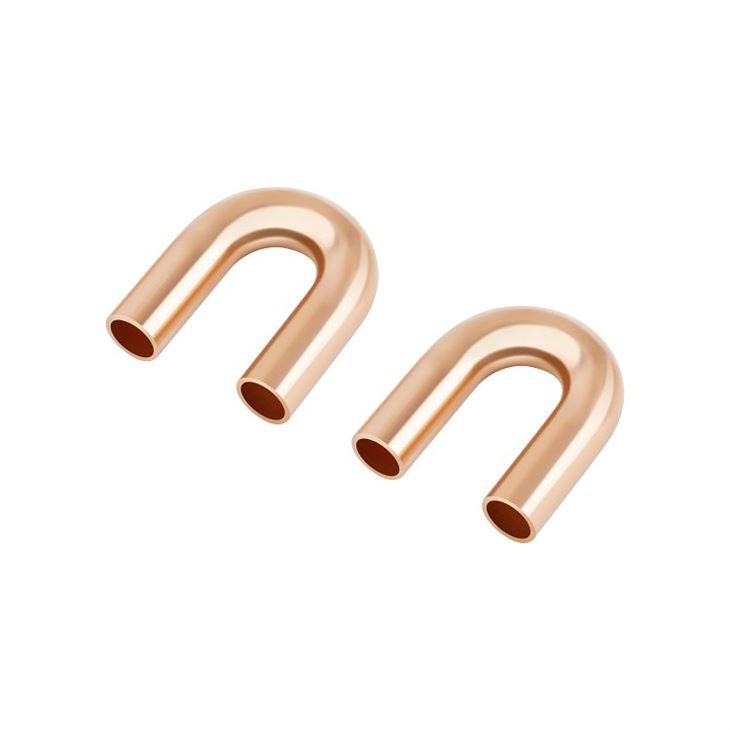
If you're convinced that copper fittings are the right choice for your HVAC or refrigeration project, I've got some great options for you. You can check out our Refrigeration Copper Fittings and 180 Degree Copper U Return Bend on our website. We offer a wide range of high - quality copper fittings that are designed to meet the needs of different HVAC and refrigeration systems.
Conclusion
So, there you have it! AC copper fittings and brass fittings each have their own unique characteristics. While brass fittings might be cheaper upfront, copper fittings offer better corrosion resistance, strength, durability, thermal conductivity, and compatibility with refrigerants. They're also a better long - term investment.
If you're in the market for AC copper fittings for your next HVAC or refrigeration project, don't hesitate to reach out. We're here to help you make the right choice and provide you with top - notch products. Whether you're a DIY enthusiast or a professional contractor, we've got the fittings you need. Contact us today to start the procurement process and let's get your system up and running with the best fittings available!

References
- "HVAC Systems Design Handbook"
- "Corrosion in HVAC and Refrigeration Systems: Causes and Solutions"
- "Materials Science for HVAC and Refrigeration Engineers"