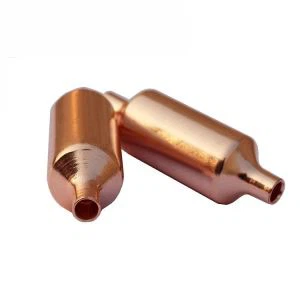
Hey there! As a supplier of AC filter driers, I get a ton of questions about how to choose the right size. It's a crucial decision, and getting it wrong can lead to all sorts of problems with your air - conditioning system. So, let's dive into this topic and figure out how you can pick the perfect size for your needs.
Why Size Matters
First off, why does the size of an AC filter drier even matter? Well, think of it like a security guard for your air - conditioning system. The filter drier is responsible for removing moisture, dirt, and other contaminants from the refrigerant. If it's too small, it won't be able to handle the volume of refrigerant flowing through the system. This can lead to a buildup of contaminants, which can cause blockages, reduce the efficiency of the system, and even damage the compressor over time.
On the other hand, if it's too large, it can be a waste of money and space. Plus, an oversized filter drier might not operate as efficiently as one that's the right size, because the refrigerant may not have enough contact time with the filtering and drying materials inside.
Factors to Consider
System Capacity
The first thing you need to look at is the capacity of your air - conditioning system. This is usually measured in tons. A larger system with a higher tonnage will require a bigger filter drier to handle the greater volume of refrigerant. For example, a small residential AC unit with a capacity of 1 - 2 tons will need a much smaller filter drier than a large commercial system with a capacity of 10 tons or more.
To determine the capacity of your system, you can check the manufacturer's specifications. They'll usually list the tonnage right on the unit or in the user manual. If you're not sure, you can also consult with an HVAC professional.
Refrigerant Type
Different refrigerants have different properties, and this can affect the size of the filter drier you need. Some refrigerants are more prone to moisture absorption, while others may carry more contaminants. For instance, R - 410A is a common refrigerant used in modern AC systems. It has different requirements compared to older refrigerants like R - 22.
When choosing a filter drier, make sure it's designed to work with the specific refrigerant in your system. You can find this information on the product packaging or by contacting the filter drier manufacturer.
Operating Conditions
The environment in which your AC system operates also plays a role. If your system is located in a hot and humid area, it will likely need a larger filter drier to handle the extra moisture in the air. Similarly, if the system is exposed to a lot of dust or other contaminants, a bigger filter drier with better filtering capabilities may be necessary.
For example, an AC system in a factory setting, where there's a lot of dust and debris in the air, will require a more robust filter drier than one in a clean office environment.
Sizing Charts
Many manufacturers provide sizing charts that can help you choose the right size of filter drier based on your system's capacity, refrigerant type, and other factors. These charts are a great starting point, but keep in mind that they're just guidelines. You still need to consider the specific operating conditions of your system.
Let's say you have a 3 - ton residential AC system using R - 410A refrigerant. According to the manufacturer's sizing chart, you might be recommended a filter drier with a certain model number. But if your system is located in a very humid area, you might want to go up a size to ensure it can handle the extra moisture.
Types of Filter Driers
There are different types of filter driers available, and each type may have different sizing requirements.
Liquid Line Filter Driers
These are the most common type. They're installed in the liquid line of the AC system, where the refrigerant is in a liquid state. Liquid line filter driers are designed to remove contaminants and moisture from the liquid refrigerant before it enters the expansion valve.
When choosing a liquid line filter drier, you need to consider the flow rate of the refrigerant in the liquid line. A higher flow rate will require a larger filter drier to prevent pressure drops and ensure proper operation. You can find more information about liquid line filter driers on our Refrigeration Filters page.
Suction Line Filter Driers
Suction line filter driers are installed in the suction line of the AC system, where the refrigerant is in a gaseous state. They're used to protect the compressor from contaminants that might have made it through the system.
The sizing of suction line filter driers depends on the suction gas flow rate. Similar to liquid line filter driers, a higher flow rate will need a larger filter drier. Check out our Refrigerator Dryer Filter page for more details.
Refrigeration Copper Filter Driers
These are made of copper and are often used in refrigeration and air - conditioning systems. They offer good heat transfer properties and are resistant to corrosion. The size of a refrigeration copper filter drier is determined by the same factors as other types, such as system capacity and refrigerant flow rate. You can learn more about them on our Refrigeration Copper Filter Drier page.
Installation and Maintenance
Once you've chosen the right size of filter drier, it's important to install it correctly. Improper installation can lead to leaks, reduced efficiency, and other problems. If you're not experienced with HVAC installation, it's best to hire a professional.
Regular maintenance is also crucial. You should check the filter drier periodically for signs of clogging or damage. If it's clogged, it won't be able to do its job properly, and it may need to be replaced.


Conclusion
Choosing the right size of AC filter drier is a critical step in ensuring the proper operation and longevity of your air - conditioning system. By considering factors like system capacity, refrigerant type, and operating conditions, you can make an informed decision.
If you're still not sure which size is right for your system, don't hesitate to reach out. As a supplier of AC filter driers, we have the expertise and experience to help you find the perfect fit. Whether you're a homeowner looking to replace a filter drier in your residential AC unit or a business owner with a large commercial system, we can assist you. Contact us today to start the conversation about your AC filter drier needs and let's work together to get your system running at its best.
References
- HVAC textbooks and manuals
- Manufacturer's product specifications and sizing charts
- Industry standards and guidelines