


As a supplier of Refrigerator Dryer Filters, I often get asked about the best way to store a spare refrigerator dryer filter. It's a crucial question because proper storage can significantly extend the lifespan and effectiveness of these filters. In this blog post, I'm gonna share my insights on how to store your spare refrigerator dryer filters to ensure they're in top - notch condition when you need them.
First things first, let's understand why proper storage is so essential. Refrigerator dryer filters are designed to remove moisture and contaminants from the refrigerant system. If they're not stored correctly, they can absorb moisture from the air or become contaminated with dust and debris. This can reduce their efficiency and even lead to premature failure when they're eventually installed in a refrigerator or air - conditioning system.
Ideal Storage Conditions
The ideal storage environment for refrigerator dryer filters is a cool, dry place. Moisture is the enemy of these filters. High humidity levels can cause the desiccant inside the filter to absorb water, which reduces its ability to remove moisture from the refrigerant later on. You should aim for a storage area with a relative humidity of less than 50%. A temperature between 10°C and 30°C (50°F to 86°F) is also ideal. Extreme temperatures can affect the integrity of the filter materials.
Sealed packaging is your best friend when it comes to storing spare refrigerator dryer filters. Most filters come in sealed plastic bags or containers when they're new. Keep them in this packaging until you're ready to use them. This helps to prevent moisture and contaminants from getting in. If the original packaging is damaged, you can transfer the filter to a new, air - tight plastic bag or container. Make sure to squeeze out as much air as possible before sealing it.
Protecting Filters from Physical Damage
Physical damage can also render a refrigerator dryer filter useless. Filters can be delicate, and any dents or cracks can prevent them from working properly. When storing your spare filters, place them in a location where they won't be crushed or knocked around. If you have multiple filters, stack them carefully to avoid putting too much pressure on one filter. It's also a good idea to keep them away from heavy objects that could accidentally fall on them.
Labeling and Organization
Labeling your spare refrigerator dryer filters is a simple but effective way to stay organized. Write down the model number, size, and the date of purchase on a label and attach it to the filter's packaging. This makes it easy to find the right filter when you need it, and it also helps you keep track of how long the filter has been in storage. You can create a simple inventory system using a spreadsheet or a notebook. List all your spare filters, their locations, and their expiration dates (if applicable).
Special Considerations for Different Types of Filters
There are different types of refrigerator dryer filters available in the market, and each may have specific storage requirements. For example, Copper Filter Drier for Refrigeration is made of copper, which is a relatively durable material. However, copper can still corrode if it's exposed to moisture and certain chemicals. So, it's important to keep these filters in a dry environment and away from any corrosive substances.
Air Conditioner Copper Driers are also commonly used in refrigeration and air - conditioning systems. Similar to copper filter driers, they need to be protected from moisture and physical damage. And for AC Filter Driers, they often contain a desiccant that can absorb moisture quickly. So, strict adherence to low - humidity storage is crucial for these types of filters.
Regular Inspections
Even if you store your spare refrigerator dryer filters properly, it's a good idea to conduct regular inspections. Check the filters for any signs of damage, such as cracks, dents, or discoloration. Look at the packaging to make sure it's still intact and air - tight. If you notice any issues, it's best to replace the filter or take appropriate measures to repair it.
Conclusion
Storing a spare refrigerator dryer filter isn't rocket science, but it does require some attention to detail. By keeping your filters in a cool, dry place, protecting them from physical damage, labeling them properly, and conducting regular inspections, you can ensure that they're always in good working condition when you need them.
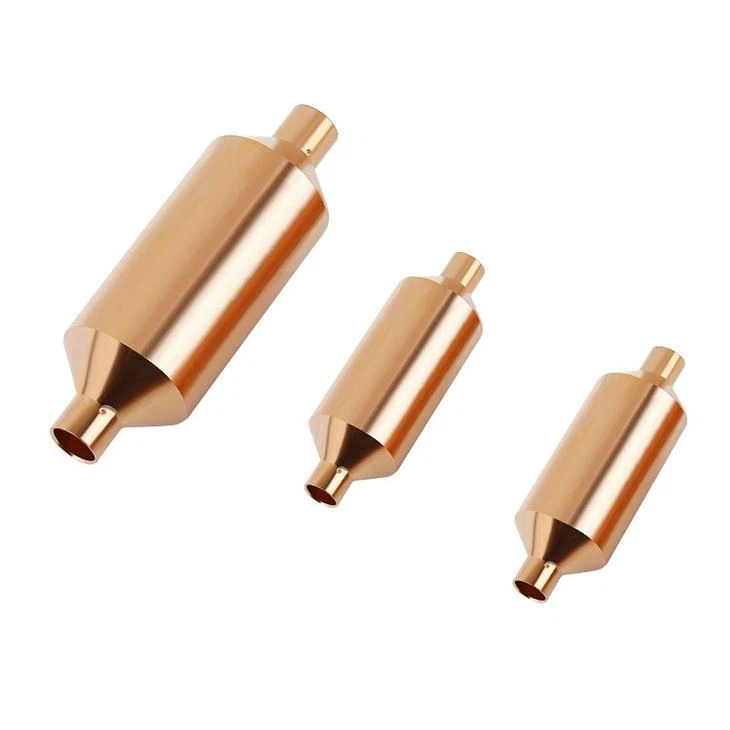

As a Refrigerator Dryer Filter supplier, I offer a wide range of high - quality filters to meet your needs. Whether you're looking for copper filter driers, air conditioner copper driers, or AC filter driers, I've got you covered. If you're interested in purchasing our products or have any questions about storage or installation, feel free to reach out. We're always here to help you make the best choices for your refrigeration and air - conditioning systems.
References
- Industry standards for refrigeration equipment storage and maintenance.
- Manufacturer's guidelines for refrigerator dryer filters.