


When it comes to maintaining the efficiency and longevity of a refrigeration system, the filter drier plays a crucial role. As a reputable supplier of Refrigeration Filter Driers, I've encountered numerous challenges and scenarios in the field of troubleshooting these essential components. In this blog, I'll share my insights and practical tips on how to effectively troubleshoot a refrigeration filter drier.
Understanding the Role of a Refrigeration Filter Drier
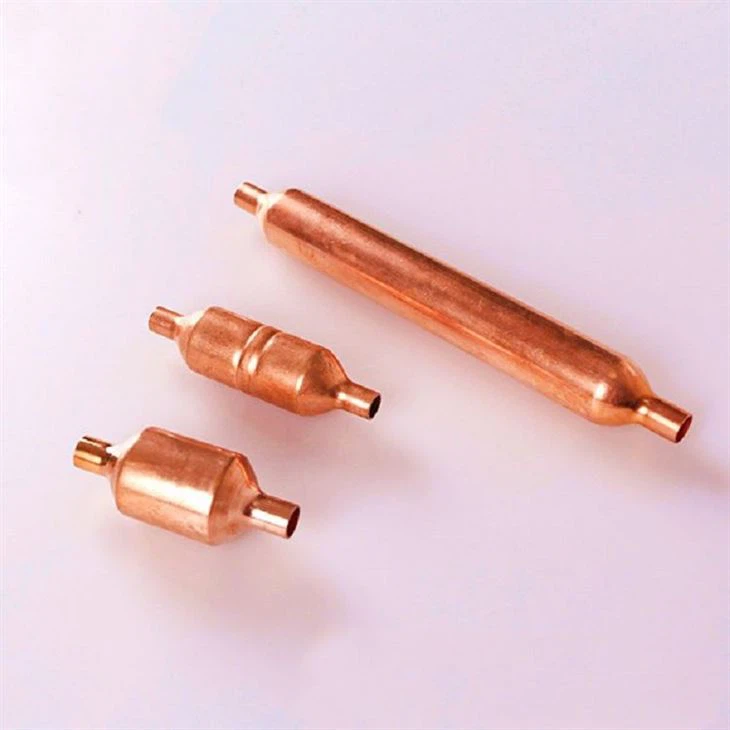
Before delving into the troubleshooting process, it's essential to grasp the functions of a refrigeration filter drier. A filter drier serves two primary purposes: filtering out contaminants and removing moisture from the refrigerant. Contaminants such as dirt, metal particles, and welding debris can cause damage to the compressor and other system components, while moisture can lead to corrosion, acid formation, and reduced system performance. By trapping these harmful substances, the filter drier helps to ensure the smooth operation of the refrigeration system.
Signs of a Faulty Filter Drier
Identifying the signs of a faulty filter drier is the first step in the troubleshooting process. Some common indicators include:
- Restricted airflow: A clogged filter drier can impede the flow of refrigerant through the system, resulting in reduced cooling capacity and increased energy consumption. You may notice that the refrigeration unit is struggling to maintain the desired temperature or that the compressor is running continuously.
- High discharge pressure: Excessive pressure in the discharge line can be a sign of a blocked filter drier. This can cause the compressor to work harder, leading to premature wear and tear and potentially costly repairs.
- Frost or ice formation: If the filter drier is not functioning properly, moisture can accumulate in the system, causing frost or ice to form on the evaporator coil or other components. This can reduce the efficiency of the system and lead to further damage.
- Unusual noises: A failing filter drier may produce abnormal noises, such as rattling or hissing, indicating that there is a problem with the flow of refrigerant or the internal components of the drier.
Step-by-Step Troubleshooting Guide
Once you've identified the symptoms of a faulty filter drier, it's time to start the troubleshooting process. Here's a step-by-step guide to help you diagnose and resolve the issue:
- Inspect the filter drier visually: Start by examining the filter drier for any signs of physical damage, such as cracks, dents, or leaks. Check the connections to the refrigerant lines and make sure they are tight and secure. If you notice any visible damage, the filter drier may need to be replaced.
- Check the pressure differential: Use a pressure gauge to measure the pressure differential across the filter drier. A significant increase in pressure drop indicates that the filter is clogged and needs to be replaced. Refer to the manufacturer's specifications for the acceptable pressure differential range.
- Test the moisture content: Use a moisture indicator or a refrigerant sampling kit to check the moisture content in the refrigerant. Excessive moisture can cause problems in the refrigeration system, so it's important to ensure that the filter drier is effectively removing moisture. If the moisture level is high, the filter drier may need to be changed or the system may require additional drying.
- Inspect the refrigerant lines: Check the refrigerant lines for any signs of blockage or contamination. Look for kinks, bends, or restrictions that could impede the flow of refrigerant. If you find any blockages, you may need to clean or replace the affected lines.
- Verify the refrigerant charge: An improper refrigerant charge can also cause problems with the filter drier and the overall performance of the refrigeration system. Use a refrigerant scale or a pressure-temperature chart to verify the refrigerant charge and adjust it as necessary.
- Consider the age of the filter drier: Filter driers have a limited lifespan and should be replaced periodically to ensure optimal performance. If the filter drier is approaching or has exceeded its recommended service life, it's a good idea to replace it as a preventive measure.
Preventive Maintenance Tips
To minimize the risk of filter drier problems and ensure the reliable operation of your refrigeration system, it's important to implement a regular maintenance schedule. Here are some preventive maintenance tips to keep in mind:
- Replace the filter drier regularly: Follow the manufacturer's recommendations for filter drier replacement intervals. This will help to prevent clogging and ensure efficient operation of the system.
- Keep the system clean: Regularly clean the condenser and evaporator coils to remove dirt, dust, and debris. This will help to maintain proper airflow and prevent the accumulation of contaminants in the system.
- Monitor refrigerant levels: Keep an eye on the refrigerant levels in the system and add refrigerant as needed to maintain the proper charge. This will help to prevent damage to the compressor and other components.
- Use high-quality refrigerant: Use only high-quality refrigerant that meets the specifications of your refrigeration system. This will help to prevent contamination and ensure optimal performance.
- Train your staff: Provide training to your staff on the proper operation and maintenance of the refrigeration system. This will help to ensure that the system is used correctly and that any potential problems are detected and addressed promptly.
Benefits of Choosing Our Refrigeration Filter Driers
As a leading supplier of Refrigeration Filter Driers, we take pride in offering high-quality products that are designed to meet the needs of our customers. Here are some of the benefits of choosing our filter driers:
- Superior filtration: Our filter driers are equipped with advanced filtration media that effectively remove contaminants and moisture from the refrigerant, ensuring the smooth operation of your refrigeration system.
- Durable construction: Our filter driers are built to last, with high-quality materials and robust construction that can withstand the rigors of daily use.
- Wide range of sizes and configurations: We offer a comprehensive range of filter driers in various sizes and configurations to meet the specific requirements of your refrigeration system.
- Expert technical support: Our team of experienced technicians is available to provide you with expert technical support and assistance, ensuring that you get the most out of your filter drier.
- Competitive pricing: We offer our filter driers at competitive prices, providing you with excellent value for your money.
Contact Us for Your Refrigeration Filter Drier Needs
If you're experiencing problems with your refrigeration filter drier or are looking to purchase a new one, we're here to help. Our team of experts can provide you with the guidance and support you need to choose the right filter drier for your application and ensure its proper installation and maintenance. Contact us today to discuss your requirements and learn more about our products and services.

References
- ASHRAE Handbook - Refrigeration
- Carrier Refrigeration Systems Manual
- Copeland Compressor Application Manual