

As a supplier of AC Filter Driers, I've seen firsthand how these components play a crucial role in the performance of air conditioning systems. One question that often comes up is, "How does the efficiency of an AC filter drier change over time?" Let's dig into this topic and explore the ins and outs of it.
Initial Efficiency of AC Filter Driers
When you first install a brand - new AC filter drier, it's like a fresh pair of running shoes. It's at its peak performance. These filter driers are designed to do two main jobs: remove moisture and trap contaminants from the refrigerant in the air - conditioning system.
The desiccant material inside the filter drier, usually a type of molecular sieve, has a high capacity to absorb water. This is super important because moisture in the refrigerant can cause all sorts of problems, like corrosion of system components and the formation of ice in the expansion valve, which can disrupt the normal operation of the AC.
At the same time, the filter part of the drier is made up of fine - mesh screens or other filtration media. It can catch small particles such as metal shavings, dirt, and debris that might be present in the refrigerant. This helps to protect the compressor and other critical parts of the system from damage.
Factors Affecting the Efficiency Over Time
Moisture Absorption Capacity
As time goes on, the desiccant in the filter drier starts to fill up with moisture. Think of it like a sponge that can only hold so much water. Once the desiccant reaches its saturation point, it can no longer absorb additional moisture. This means that any new moisture in the refrigerant will just pass through the filter drier, potentially causing issues in the system.
The rate at which the desiccant becomes saturated depends on several factors. The humidity level of the environment where the AC is operating is a big one. If the AC is used in a very humid area, the desiccant will absorb moisture at a faster rate. Also, any leaks in the refrigerant system that allow outside air (which contains moisture) to enter will speed up the saturation process.
Contaminant Accumulation
The filter part of the drier also experiences a decline in efficiency over time. As it captures more and more contaminants, the fine - mesh screens or filtration media can become clogged. When this happens, the flow of refrigerant through the filter drier is restricted. This can lead to a drop in the overall performance of the AC system, as the compressor has to work harder to push the refrigerant through the clogged filter.
The type and amount of contaminants in the system can vary. In some cases, there might be a lot of metal particles if there has been some wear and tear on the compressor or other metal components. In other situations, dust and dirt from the environment can enter the system, especially if the AC unit is installed in a dusty area.
Signs of Reduced Efficiency
There are a few tell - tale signs that an AC filter drier is losing its efficiency. One of the most obvious ones is a decrease in the cooling capacity of the AC system. If you notice that your AC isn't cooling your space as effectively as it used to, it could be because the filter drier is no longer doing its job properly.
Another sign is an increase in the energy consumption of the AC. As the filter becomes clogged and the desiccant is saturated, the compressor has to work harder to maintain the same level of performance. This means that the AC unit will use more electricity, which can lead to higher energy bills.
You might also hear strange noises coming from the AC system. A clogged filter drier can cause irregular refrigerant flow, which can result in rattling, buzzing, or other unusual sounds.
Maintaining and Replacing AC Filter Driers
To keep an AC filter drier working efficiently for as long as possible, regular maintenance is key. This includes checking the filter drier during routine AC inspections. A technician can look for signs of moisture saturation in the desiccant and check for any visible signs of clogging in the filter.
If the filter drier is showing signs of reduced efficiency, it's usually a good idea to replace it. Most manufacturers recommend replacing the filter drier every 1 - 2 years, depending on the usage and operating conditions of the AC system.
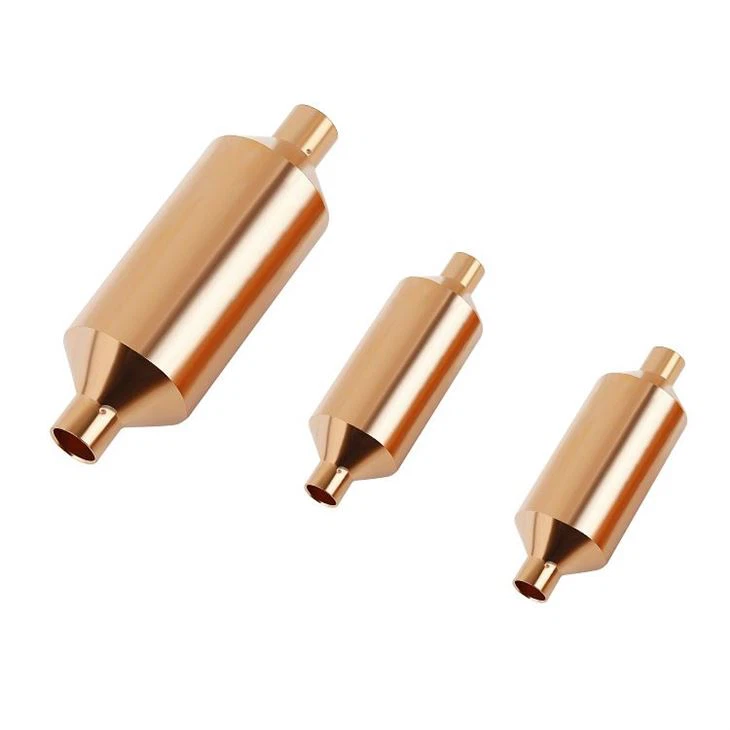
When it comes to replacement, you want to make sure you choose a high - quality filter drier. At our company, we offer a wide range of AC Filter Driers that are designed to meet the needs of different AC systems. Our Refrigeration Copper Filter and Copper Drier Filter are made with top - notch materials and are built to last.

Conclusion
In conclusion, the efficiency of an AC filter drier decreases over time due to factors like moisture saturation and contaminant accumulation. However, with proper maintenance and timely replacement, you can ensure that your AC system continues to operate at its best.
If you're in the market for high - quality AC filter driers or have any questions about how they work, don't hesitate to reach out. We're here to help you make the right choice for your AC system. Whether you're a homeowner looking to upgrade your home AC or a business owner managing a large - scale HVAC system, we've got the products and expertise to meet your needs. Contact us today to start the procurement process and get the best solutions for your air - conditioning requirements.
References
- ASHRAE Handbook of Refrigeration. American Society of Heating, Refrigerating and Air - Conditioning Engineers.
- Manufacturer's manuals for various AC systems and filter driers.