


Hey there! As a supplier of HVAC copper fittings, I've seen firsthand how crucial it is to pick the right size of these fittings. It's not just about making things fit together; it's about ensuring your HVAC system runs smoothly and efficiently. In this blog, I'll share some tips on how to choose the right size of HVAC copper fittings, so let's dive in!
Understanding the Basics of HVAC Copper Fittings
Before we get into the nitty - gritty of sizing, let's quickly go over what HVAC copper fittings are. These are parts used to connect different sections of copper tubing in heating, ventilation, and air - conditioning systems. They come in various shapes and sizes, like elbows, tees, couplings, and U - bends. Each type of fitting has a specific function in the system, and getting the size right is key to its performance.
Why Size Matters
The size of HVAC copper fittings is directly related to the flow of refrigerant and air within the system. If the fittings are too small, they can restrict the flow, causing the system to work harder, consume more energy, and potentially overheat. On the other hand, if the fittings are too large, there might be an inefficient flow of refrigerant, leading to poor cooling or heating performance.
Factors to Consider When Choosing the Size
1. System Capacity
The capacity of your HVAC system is a major factor in determining the size of the copper fittings. Larger systems require larger fittings to handle the higher volume of refrigerant and air. You can usually find the system capacity in the manufacturer's specifications. For example, a large commercial HVAC system will need bigger diameter copper fittings compared to a small residential unit.
2. Tubing Size
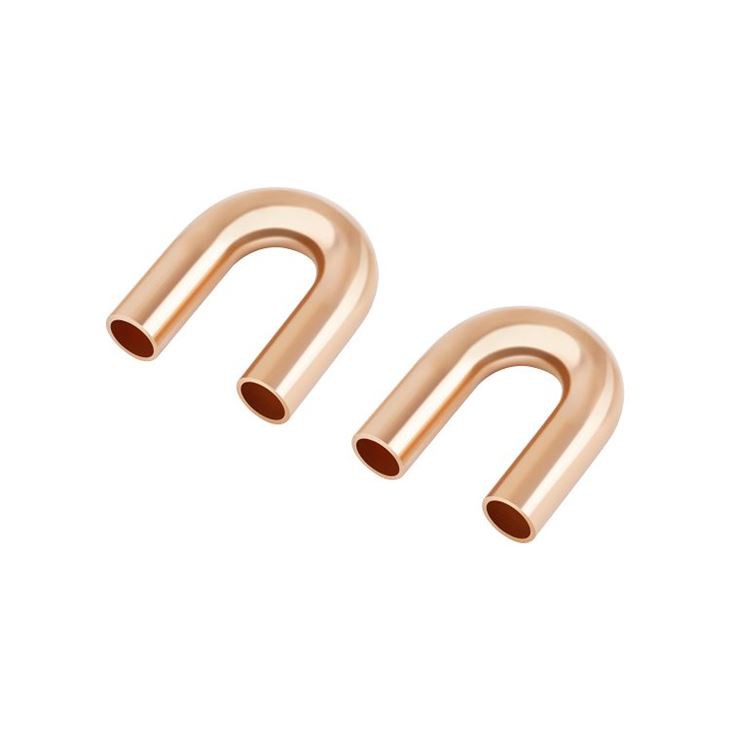
The size of the copper tubing that the fittings will connect is also crucial. The fitting size should match the outer diameter of the tubing. For instance, if you have 15mm copper tubing, you'll need 15mm fittings. Using mismatched sizes can lead to leaks and poor connections. You can check out 15mm Copper U Bend on our website for an example of a fitting that matches a specific tubing size.
3. Refrigerant Type
Different refrigerants have different properties, such as density and flow characteristics. Some refrigerants require larger fittings to ensure proper flow. For example, newer, more environmentally - friendly refrigerants might need specific sizing considerations compared to older ones. Always refer to the refrigerant manufacturer's guidelines when choosing the fitting size.
4. Pressure Requirements
The pressure within the HVAC system affects the fitting size. Higher - pressure systems need stronger and often larger fittings to withstand the force. If the fittings are too small for the pressure, they can burst or develop leaks over time. You can find the pressure requirements in the system's technical documentation.
Measuring for the Right Size
To choose the correct size of HVAC copper fittings, you'll need to measure the tubing accurately. Use a caliper to measure the outer diameter of the copper tubing. Make sure to measure at several points along the tubing to ensure it's consistent. If you're unsure about the measurement or need more guidance, our team is always here to help.
Common Sizes and Their Applications
1. Small Sizes (6mm - 12mm)
These smaller sizes are commonly used in residential air - conditioning units, especially in the indoor units and for smaller refrigerant lines. They are suitable for systems with lower capacities and less refrigerant flow. You can find Refrigeration Copper Fittings in these sizes on our website.
2. Medium Sizes (15mm - 22mm)
Medium - sized fittings are used in both residential and light - commercial HVAC systems. They can handle a moderate amount of refrigerant flow and are often used for the main refrigerant lines in these systems. Copper U Bend for Air Conditioning in these sizes are quite popular for connecting different sections of the tubing.
3. Large Sizes (28mm and above)
Large - diameter copper fittings are used in commercial and industrial HVAC systems. These systems have high capacities and require fittings that can handle a large volume of refrigerant and air.
Avoiding Common Mistakes
1. Guessing the Size
Don't rely on guesswork when choosing the size of HVAC copper fittings. Always measure the tubing and refer to the system specifications. A wrong size can lead to costly repairs and system failures.
2. Ignoring Manufacturer's Recommendations
The HVAC system manufacturer provides specific guidelines for the fitting sizes. Ignoring these recommendations can void the warranty and cause performance issues. Make sure to follow the manufacturer's instructions carefully.
Conclusion
Choosing the right size of HVAC copper fittings is a critical step in ensuring the optimal performance of your HVAC system. By considering factors like system capacity, tubing size, refrigerant type, and pressure requirements, you can make an informed decision. If you're still unsure about which size is right for your system, don't hesitate to reach out to us.
As a trusted supplier of HVAC copper fittings, we have a wide range of sizes and types to meet your needs. Whether you're working on a small residential project or a large commercial installation, we've got you covered. If you're interested in purchasing our HVAC copper fittings or have any questions about sizing or our products, feel free to contact us for a purchase discussion. We're here to help you get the best - fitting solutions for your HVAC systems.

References
- HVAC System Installation Manuals
- Refrigerant Manufacturer's Technical Data Sheets
- Industry Standards for HVAC Copper Fittings


