As a supplier of air conditioning filters, I've witnessed firsthand the importance of regular filter changes. Many customers often overlook this simple yet crucial maintenance task, unaware of the far-reaching consequences it can have on their air conditioning systems and overall well - being. In this blog, I'll delve into what happens if you don't change your air conditioning filter.


Reduced Airflow
One of the most immediate effects of not changing your air conditioning filter is reduced airflow. Over time, dust, dirt, pet dander, and other airborne particles accumulate on the filter. As the filter becomes clogged, it restricts the amount of air that can pass through it. This reduced airflow means that your air conditioner has to work harder to circulate the same amount of air throughout your space.
For instance, in a large office building, a clogged filter can lead to uneven cooling. Some areas may receive less cool air, while others may experience a build - up of warm air. This not only affects the comfort of the occupants but also puts additional stress on the air conditioning system. The system's blower motor has to consume more energy to push the air through the clogged filter, leading to increased electricity bills. According to the U.S. Department of Energy, a dirty filter can increase energy consumption by up to 15%.
Decreased Efficiency
A clogged air conditioning filter significantly decreases the efficiency of your air conditioning unit. When the airflow is restricted, the evaporator coils in the air conditioner can freeze. The evaporator coils are responsible for absorbing heat from the air. When they freeze, they can't function properly, and the heat transfer process is disrupted.
This inefficiency means that your air conditioner will take longer to cool your space. You may notice that your room doesn't reach the desired temperature as quickly as it used to, or that the air coming out of the vents isn't as cold. In the long run, this decreased efficiency can lead to premature wear and tear on the air conditioning system. Components such as the compressor, which is the heart of the air conditioner, have to work harder to compensate for the reduced performance, increasing the likelihood of breakdowns and costly repairs.
Indoor Air Quality Deterioration
The primary function of an air conditioning filter is to trap airborne pollutants and improve indoor air quality. When you don't change the filter regularly, these pollutants are no longer effectively removed from the air. Instead, they are recirculated throughout your space.
Dust, pollen, and mold spores can trigger allergies and respiratory problems, especially for people with asthma or other respiratory conditions. Pet dander and hair can also cause discomfort for those with pet allergies. Moreover, bacteria and viruses can thrive in the dirty filter and be spread through the air, increasing the risk of illness.
In a home environment, poor indoor air quality can affect the health and well - being of the family members. In a commercial setting, it can lead to decreased productivity among employees and an increase in sick days. For example, a study by the World Health Organization found that improving indoor air quality can increase productivity in office settings by up to 11%.
System Breakdown
If the air conditioning filter is not changed for an extended period, it can eventually lead to a complete system breakdown. The increased stress on the components due to reduced airflow and decreased efficiency can cause them to fail. The compressor, which is a very expensive part to replace, may overheat and burn out. The blower motor can also fail due to the extra load it has to bear.
In addition, the frozen evaporator coils can cause water damage. When the ice on the coils melts, it can leak into the air conditioning unit and surrounding areas, potentially damaging the unit itself and the building's structure. Repairing a system that has suffered a breakdown can be extremely costly, often costing thousands of dollars.
Solutions and Our Products
To avoid these problems, it is recommended to change your air conditioning filter regularly. The frequency of filter changes depends on several factors, such as the type of filter, the level of air pollution in your area, and the amount of use your air conditioning system gets. Generally, it is advisable to change the filter every 1 - 3 months.
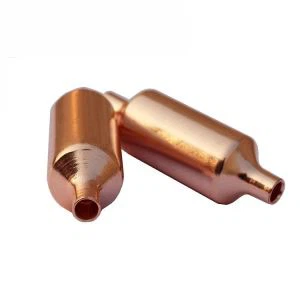
As an air conditioning filter supplier, we offer a wide range of high - quality filters to meet your needs. Our Copper Filter Drier for Refrigeration is designed to effectively remove moisture and contaminants from the refrigerant system, ensuring optimal performance of your refrigeration equipment. Our Copper Filter Drier for Air Conditioner is specifically tailored for air conditioning units, providing excellent filtration and protection. And our Filter Drier Pipe Fitting is a reliable component that helps in the proper installation and functioning of the filter drier.
If you're looking for a reliable and efficient air conditioning filter solution, don't hesitate to contact us for procurement and further discussion. We are committed to providing you with the best products and services to keep your air conditioning system running smoothly and your indoor air clean and healthy.
References
- U.S. Department of Energy. (n.d.). Energy - Saving Tips for Your Home.
- World Health Organization. (2018). Indoor Air Quality and Health.