When it comes to maintaining the efficiency and longevity of your air conditioning system, one crucial component that often goes overlooked is the air conditioning filter. Filters play a vital role in trapping dust, pollen, pet dander, and other airborne particles, ensuring that the air circulated in your space is clean and healthy. As an air conditioning filter supplier, I've seen firsthand the confusion many customers have between disposable and washable air conditioning filters. In this blog post, I'll break down the key differences between these two types of filters to help you make an informed decision for your air conditioning needs.
1. Material and Construction
Disposable air conditioning filters are typically made from fiberglass, polyester, or a combination of both. These materials are lightweight and inexpensive to produce, making them a popular choice for many consumers. Fiberglass filters, for example, are the most basic type of disposable filter. They are made of fine glass fibers that trap larger particles like dust and lint. Polyester filters, on the other hand, are more efficient at capturing smaller particles and are often used in high - end disposable filter models.
Washable air conditioning filters, in contrast, are usually constructed from more durable materials such as aluminum mesh, stainless steel, or synthetic fabrics. These materials are designed to withstand repeated washing without losing their shape or effectiveness. Aluminum mesh filters are a common choice for washable filters. They are strong, corrosion - resistant, and can be easily cleaned with water and mild detergent.
2. Filtration Efficiency
The filtration efficiency of a filter is measured by its Minimum Efficiency Reporting Value (MERV). The MERV rating scale ranges from 1 to 20, with higher numbers indicating better filtration.
Disposable filters come in a wide range of MERV ratings. Basic fiberglass disposable filters typically have a MERV rating of 1 - 4, which means they are only effective at capturing large particles. Mid - range disposable filters can have MERV ratings of 5 - 8, and high - efficiency disposable filters can reach MERV ratings of 9 - 16, capable of capturing smaller particles like pollen, mold spores, and some bacteria.
Washable filters generally have lower MERV ratings compared to high - end disposable filters. Most washable filters have MERV ratings in the range of 1 - 6. This is because the construction of washable filters is optimized for durability and reusability rather than ultra - fine particle filtration. However, some advanced washable filters with electrostatic coatings can achieve slightly higher MERV ratings, up to around 8.
3. Cost and Long - Term Expenses
One of the most significant differences between disposable and washable air conditioning filters is the cost. Disposable filters are relatively inexpensive upfront. A basic fiberglass disposable filter can cost as little as a few dollars, while more advanced high - efficiency disposable filters may cost $10 - $20 each. However, because they need to be replaced regularly (usually every 1 - 3 months), the long - term cost can add up.
Washable filters, on the other hand, have a higher initial cost. A good quality washable air conditioning filter can cost anywhere from $20 - $50. But once you've made the initial investment, you only need to clean the filter instead of replacing it. Over time, this can result in significant cost savings, especially for larger air conditioning systems that require multiple filters.
4. Maintenance and Convenience
Maintenance requirements are another area where disposable and washable filters differ. Disposable filters are incredibly convenient in terms of maintenance. When the filter is dirty, you simply remove it from the air conditioning unit and replace it with a new one. There's no need for cleaning, which saves you time and effort.
Washable filters require regular cleaning to maintain their effectiveness. Depending on the environment and usage, you may need to clean the filter every 1 - 3 months. Cleaning a washable filter typically involves removing it from the unit, rinsing it with water, and using a mild detergent to remove stubborn dirt and debris. After cleaning, the filter needs to be completely dry before reinstalling it. While this process is not overly complicated, it does require some time and effort on your part.
5. Environmental Impact
In today's environmentally conscious world, the environmental impact of products is an important consideration. Disposable air conditioning filters contribute to landfill waste. Since they are designed to be used once and then discarded, millions of disposable filters end up in landfills every year.
Washable air conditioning filters are a more environmentally friendly option. By reusing the same filter multiple times, you significantly reduce the amount of waste generated. Additionally, the materials used in washable filters, such as aluminum and stainless steel, are often recyclable at the end of their lifespan.
Our Product Range
As an air conditioning filter supplier, we offer a wide range of both disposable and washable air conditioning filters to meet the diverse needs of our customers. Whether you're looking for a high - efficiency disposable filter for a commercial building or a durable washable filter for your home, we have the right solution for you.
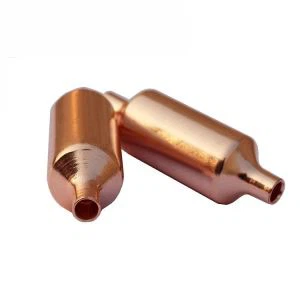
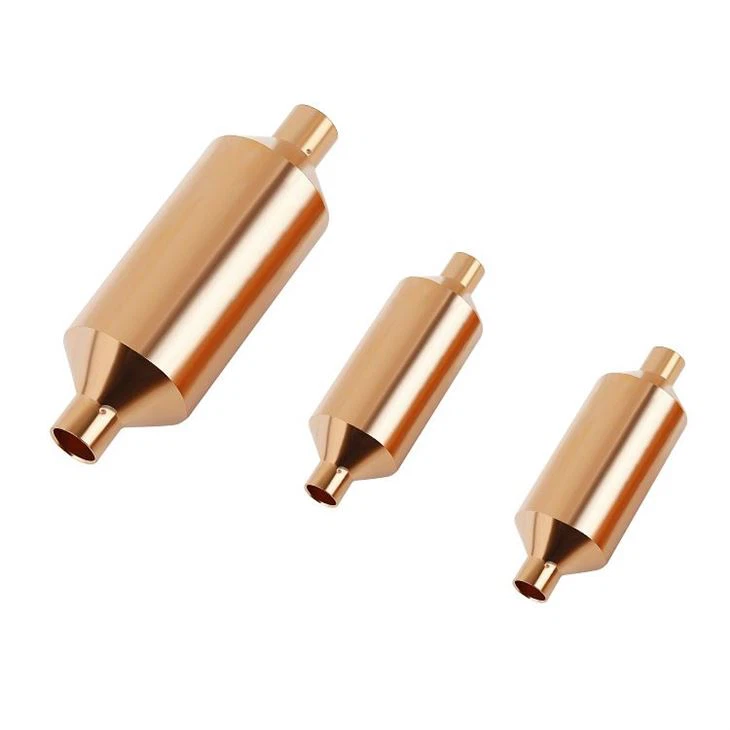
We also provide AC Filter Driers, Copper Filter Drier for Air Conditioner, and Refrigeration Filter Drier that are essential components for maintaining the proper functioning of your air conditioning and refrigeration systems.
Making the Right Choice
So, which type of filter is right for you? If you're looking for maximum filtration efficiency and don't mind the ongoing cost of replacement, a high - efficiency disposable filter may be the best option. This is especially true if you or someone in your household suffers from allergies or respiratory problems.
On the other hand, if you're on a budget and want to reduce your environmental impact, a washable filter is a great choice. It may not offer the same level of ultra - fine particle filtration as high - end disposable filters, but it can still provide adequate protection for most households.

Contact Us for Purchase and Consultation
If you're still unsure which air conditioning filter is the best fit for your needs, or if you're interested in purchasing our products, we're here to help. Our team of experts can provide you with detailed information and guidance to ensure you make the right decision. Whether you're a homeowner, a business owner, or an HVAC professional, we have the knowledge and experience to assist you. Reach out to us today to start a conversation about your air conditioning filter requirements.
References
- "Air Filter Basics," Energy Star.
- "Understanding MERV Ratings," ASHRAE.
- "The Environmental Impact of Air Filters," Environmental Protection Agency.