


Hey there! As a supplier of HVAC copper fittings, I often get asked whether our products are suitable for high - altitude HVAC systems. Well, let's dive right into this topic and find out.
First off, let's talk about what makes high - altitude HVAC systems different. At high altitudes, the air pressure is lower, and the temperature can vary quite a bit. These factors can have a significant impact on how HVAC systems operate. Lower air pressure means that the refrigerant in the system behaves differently. It boils at a lower temperature, which can affect the efficiency of the cooling or heating process.
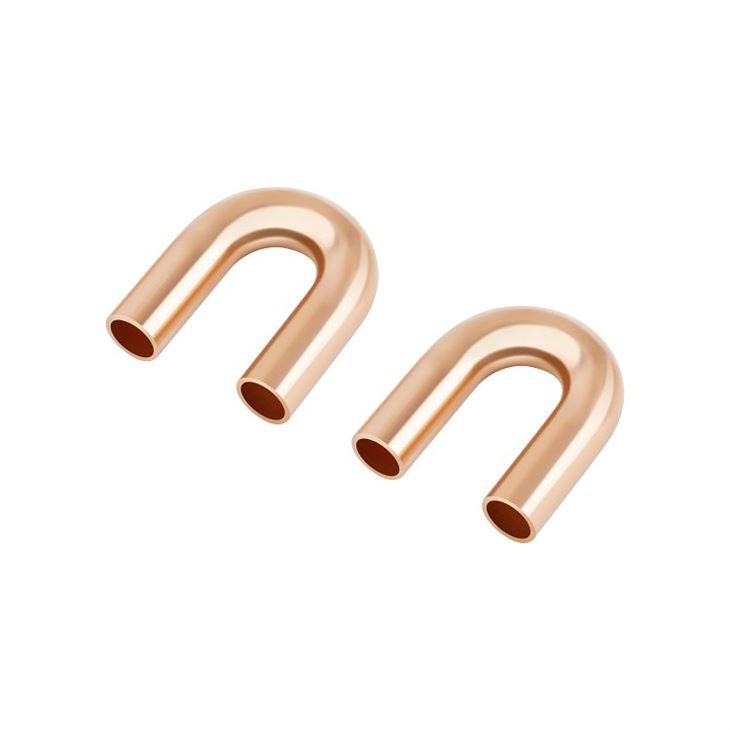

Now, let's consider our HVAC copper fittings. Copper is a great material for HVAC systems in general. It's highly conductive, which helps in the transfer of heat. This is crucial for both cooling and heating applications. Our Copper Pipe Fitting 180 Degree U Bend is designed to provide a smooth flow of refrigerant through the system. The 180 - degree bend allows for efficient routing of the pipes, which is especially important in complex HVAC setups.
In high - altitude areas, the lower air pressure can cause some unique challenges. For example, there's a risk of leaks due to the changes in pressure. But our copper fittings are made with high - quality materials and precision manufacturing. They are designed to withstand these pressure variations. The tight seals ensure that there are no refrigerant leaks, which is essential for the proper functioning of the HVAC system.
Another aspect to consider is corrosion. At high altitudes, the air can be drier in some regions and more humid in others. Copper is naturally resistant to corrosion, which makes it a great choice for HVAC systems in these environments. Our Refrigeration Copper Fittings are coated with a special protective layer to further enhance their corrosion resistance. This means that they will last longer and require less maintenance, even in harsh high - altitude conditions.
When it comes to installation, our HVAC Copper Compression Fittings are really user - friendly. They can be easily installed without the need for complex welding equipment. This is a big advantage, especially in high - altitude areas where access to professional welding services might be limited. The compression fittings create a secure connection between the pipes, ensuring a reliable and leak - free system.
Now, let's look at the performance of HVAC systems at high altitudes. The lower air density at high altitudes can reduce the heat transfer efficiency of the system. But our copper fittings, with their high thermal conductivity, help to compensate for this. They allow for better heat exchange between the refrigerant and the surrounding air, which improves the overall performance of the HVAC system.
One of the concerns that some people have is the expansion and contraction of materials due to temperature changes. At high altitudes, the temperature can fluctuate significantly between day and night. Copper has a relatively low coefficient of thermal expansion, which means that it expands and contracts less compared to other materials. This reduces the stress on the fittings and the pipes, minimizing the risk of damage over time.
In addition to the technical aspects, cost - effectiveness is also an important factor. Our HVAC copper fittings are not only high - quality but also reasonably priced. They offer a great balance between performance and cost, which is crucial for any HVAC project, especially in high - altitude areas where the overall installation and maintenance costs can be higher.
Another benefit of using our copper fittings in high - altitude HVAC systems is their compatibility with different types of refrigerants. Whether you're using traditional refrigerants or the newer, more environmentally friendly ones, our fittings are designed to work well with them. This gives you more flexibility when it comes to choosing the right refrigerant for your system.
Let's also talk about the long - term reliability of our products. We've conducted extensive testing on our HVAC copper fittings in simulated high - altitude conditions. The results have shown that they can withstand the challenges posed by low air pressure, temperature variations, and corrosion. This means that you can trust our fittings to keep your high - altitude HVAC system running smoothly for years to come.
In conclusion, our HVAC copper fittings are definitely suitable for high - altitude HVAC systems. They offer excellent performance, durability, and cost - effectiveness. Whether you're installing a new system or upgrading an existing one in a high - altitude area, our products are a great choice.
If you're interested in purchasing our HVAC copper fittings for your high - altitude HVAC project, I encourage you to reach out to us for a detailed discussion. We can provide you with more information about our products, offer technical support, and help you choose the right fittings for your specific needs.
References
- "HVAC Systems Design and Installation" - A comprehensive guide on HVAC systems and their components.
- "Materials Science for HVAC Applications" - A book that discusses the properties of different materials used in HVAC systems, including copper.