


Selecting a refrigeration filter is a crucial decision that directly impacts the performance and longevity of refrigeration systems. As a supplier of high - quality refrigeration filters, I understand the importance of choosing the right filter based on air quality requirements. In this blog, I will guide you through the process of making an informed decision.
Understanding Air Quality Requirements in Refrigeration Systems
Air quality requirements in refrigeration systems are influenced by several factors. The primary goal is to ensure that the refrigerant circulating in the system remains clean and free from contaminants. Contaminants such as moisture, dirt, and debris can cause significant problems in the refrigeration cycle.
Moisture in the refrigerant can lead to ice formation in the expansion valve, reducing the efficiency of the cooling process. It can also react with the refrigerant and lubricating oil, forming acids that can corrode the internal components of the system. Dirt and debris, on the other hand, can clog the filter and other components, restricting the flow of refrigerant and causing the compressor to work harder, which may lead to premature failure.
To determine the air quality requirements for a specific refrigeration system, you need to consider the application of the system. For example, in a commercial refrigeration system used in a food storage facility, the air quality requirements are more stringent compared to a residential refrigerator. The food storage facility needs to maintain a clean and hygienic environment to prevent spoilage and contamination of food products. In this case, the filter should be able to remove a wide range of contaminants, including fine particles and microorganisms.
Types of Refrigeration Filters
There are several types of refrigeration filters available in the market, each designed to meet different air quality requirements.
1. Refrigeration Copper Filter
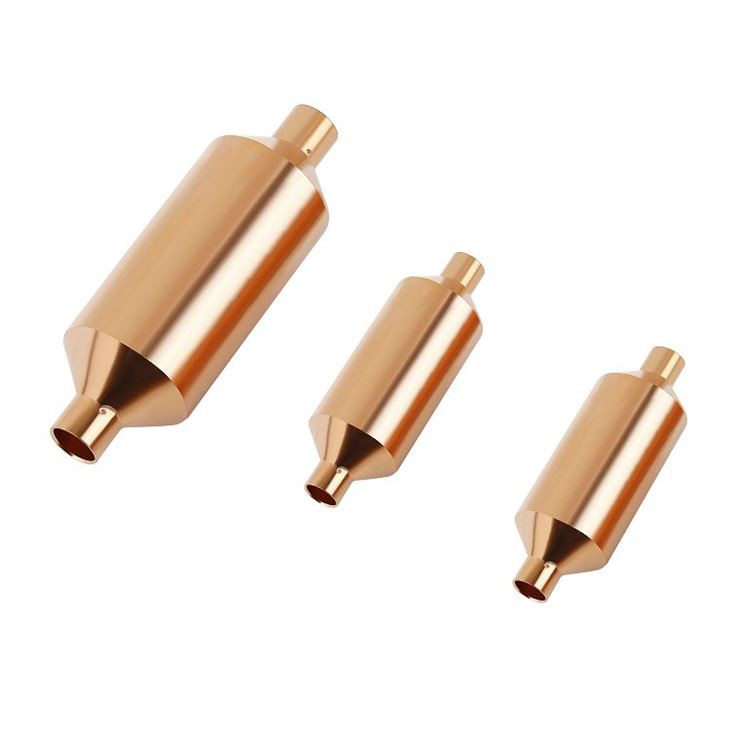
A Refrigeration Copper Filter is a popular choice for many refrigeration systems. Copper is a good conductor of heat and has excellent corrosion resistance. These filters are typically used to remove larger particles of dirt and debris from the refrigerant. They are often installed in the suction line of the compressor to protect the compressor from damage caused by foreign objects.
2. Air Conditioner Copper Driers
Air Conditioner Copper Driers are designed to remove moisture from the refrigerant. They contain a desiccant material, such as silica gel or molecular sieve, which absorbs moisture from the refrigerant as it passes through the drier. Moisture removal is critical in refrigeration systems as it helps to prevent ice formation and acid corrosion. Air conditioner copper driers are commonly used in both residential and commercial air - conditioning and refrigeration systems.
3. Refrigerator Dryer Filter
A Refrigerator Dryer Filter combines the functions of a filter and a drier. It not only removes moisture but also filters out dirt and debris from the refrigerant. These filters are specifically designed for use in refrigerators and small - scale refrigeration units. They are usually compact in size and easy to install.
Factors to Consider When Selecting a Refrigeration Filter
1. Filtration Efficiency
Filtration efficiency is a measure of how effectively a filter can remove contaminants from the refrigerant. It is usually expressed as a percentage. A higher filtration efficiency means that the filter can remove a greater proportion of contaminants. When selecting a filter, you should choose one with a filtration efficiency that meets the air quality requirements of your refrigeration system. For example, if your system requires a high level of cleanliness, you may need a filter with a filtration efficiency of 95% or higher.
2. Flow Rate
The flow rate of a filter refers to the volume of refrigerant that can pass through the filter per unit of time. It is important to select a filter with a flow rate that is compatible with the capacity of your refrigeration system. If the flow rate of the filter is too low, it can restrict the flow of refrigerant, causing the system to work inefficiently. On the other hand, if the flow rate is too high, the filter may not be able to effectively remove contaminants.
3. Compatibility
The filter you choose must be compatible with the refrigerant used in your refrigeration system. Different refrigerants have different chemical properties, and some filters may not be suitable for certain types of refrigerants. For example, some filters may react with certain refrigerants, leading to the formation of harmful by - products. Before purchasing a filter, make sure to check the manufacturer's specifications to ensure compatibility.
4. Size and Installation
The size of the filter is also an important consideration. It should fit properly in the designated location in the refrigeration system. Additionally, the installation process should be relatively straightforward. Some filters may require special tools or skills for installation, while others can be easily installed by following the manufacturer's instructions.

Testing and Monitoring
Once you have selected and installed a refrigeration filter, it is important to regularly test and monitor the air quality in the refrigeration system. You can use various testing methods, such as particle counters and moisture meters, to measure the level of contaminants in the refrigerant. If the test results indicate that the air quality is not meeting the requirements, you may need to replace the filter or take other corrective actions.
Regular maintenance of the filter is also essential. This includes cleaning or replacing the filter at regular intervals, depending on the usage and operating conditions of the refrigeration system. A well - maintained filter will ensure optimal performance and longevity of the refrigeration system.
Conclusion
Selecting the right refrigeration filter based on air quality requirements is a complex but essential task. By understanding the air quality requirements of your refrigeration system, the different types of filters available, and the factors to consider when making a selection, you can make an informed decision. As a supplier of refrigeration filters, I am committed to providing high - quality products that meet the diverse needs of our customers.
If you are in the process of selecting a refrigeration filter for your system or have any questions about our products, I encourage you to contact us for a detailed discussion. Our team of experts is ready to assist you in finding the best solution for your air quality requirements.
References
ASHRAE Handbook - Refrigeration. American Society of Heating, Refrigerating and Air - Conditioning Engineers.
Refrigeration System Design and Installation Manual. Various industry publications.