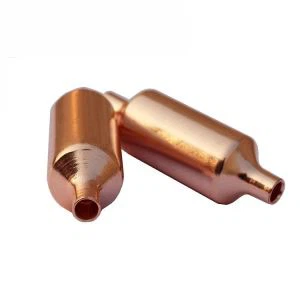
As a supplier of copper drier filters, one question that often arises from our customers is whether there are any differences in copper drier filters for different refrigerant types. The short answer is yes, and in this blog post, we'll delve into the details to help you understand why these differences matter and how they can impact the performance of your refrigeration and air - conditioning systems.

Understanding Refrigerants and Their Properties
Refrigerants are substances used in refrigeration and air - conditioning systems to transfer heat. Over the years, a variety of refrigerants have been developed, each with its own unique set of chemical and physical properties. Some of the most common types of refrigerants include CFCs (chlorofluorocarbons), HCFCs (hydrochlorofluorocarbons), HFCs (hydrofluorocarbons), and natural refrigerants such as ammonia, carbon dioxide, and hydrocarbons.
The properties of these refrigerants, such as their chemical stability, moisture solubility, and compatibility with other materials, can vary significantly. For example, CFCs and HCFCs have been phased out due to their ozone - depleting potential, while HFCs, although ozone - friendly, have a high global warming potential. Natural refrigerants, on the other hand, are considered more environmentally friendly but may have different safety and performance requirements.
The Role of Copper Drier Filters
Copper drier filters play a crucial role in refrigeration and air - conditioning systems. Their primary functions are to remove moisture, acids, and contaminants from the refrigerant. Moisture in the refrigerant can cause several problems, including the formation of ice in the expansion valve, corrosion of system components, and the breakdown of the refrigerant itself. Acids can also corrode the system, leading to premature failure of components. Contaminants such as dirt, metal particles, and debris can clog the system, reducing its efficiency and performance.
Differences in Copper Drier Filters for Different Refrigerants
1. Adsorbent Materials
The adsorbent material inside the copper drier filter is one of the key differences based on the refrigerant type. Different refrigerants require different types of adsorbents to effectively remove moisture and contaminants. For example, when dealing with HFC refrigerants, molecular sieves are commonly used as adsorbents. Molecular sieves have a high affinity for water and can selectively adsorb water molecules from the refrigerant.
In contrast, for systems using natural refrigerants like ammonia, a different type of adsorbent may be required. Ammonia has different chemical properties compared to HFCs, and the adsorbent needs to be compatible with ammonia to ensure efficient operation. Some specialized adsorbents are designed to work specifically with ammonia to remove moisture and other impurities without reacting with the refrigerant itself.
2. Filter Design and Construction
The design and construction of copper drier filters can also vary depending on the refrigerant type. The internal structure of the filter, such as the arrangement of the adsorbent material and the flow path of the refrigerant, may be optimized for different refrigerants. For high - pressure refrigerants like carbon dioxide, the filter needs to be designed to withstand the higher pressures. This may involve using thicker copper walls and more robust internal structures to prevent leaks and ensure the filter's integrity.
The size of the filter can also be influenced by the refrigerant type. Systems using certain refrigerants may require larger filters to accommodate the higher flow rates or to provide sufficient contact time between the refrigerant and the adsorbent material. For example, in large - scale industrial refrigeration systems using ammonia, larger copper drier filters may be needed to handle the high volume of refrigerant flowing through the system.
3. Compatibility and Chemical Resistance
Another important factor is the compatibility of the copper drier filter with the refrigerant. The materials used in the filter, including the copper casing and the internal components, need to be chemically resistant to the refrigerant. Some refrigerants, such as ammonia, are highly corrosive, and the filter must be made of materials that can withstand this corrosion. Special coatings or treatments may be applied to the copper to enhance its chemical resistance when used with corrosive refrigerants.
In addition, the gaskets and seals used in the filter must also be compatible with the refrigerant. Incompatible gaskets can lead to leaks, which can not only reduce the efficiency of the system but also pose a safety hazard. For example, some gaskets may swell or degrade when exposed to certain refrigerants, so it's crucial to select gaskets that are specifically designed for the refrigerant in use.
Impact on System Performance
Using the correct copper drier filter for the specific refrigerant type is essential for maintaining the optimal performance of the refrigeration or air - conditioning system. An inappropriate filter can lead to reduced efficiency, increased energy consumption, and premature failure of system components.
If the filter is not able to effectively remove moisture and contaminants from the refrigerant, the system may experience problems such as ice formation in the expansion valve, which can disrupt the flow of refrigerant and reduce the cooling capacity. Corrosion caused by acids or incompatible refrigerants can damage the compressor, condenser, and other critical components, leading to costly repairs and downtime.
On the other hand, using a well - matched copper drier filter can improve the system's reliability, extend the lifespan of components, and reduce maintenance costs. It ensures that the refrigerant circulates through the system cleanly and efficiently, allowing the system to operate at its peak performance.
Choosing the Right Copper Drier Filter
When selecting a copper drier filter for a specific refrigerant type, it's important to consider several factors. First, consult the system manufacturer's recommendations. They usually provide guidelines on the type of filter that is suitable for the refrigerant used in their systems.
Second, consider the operating conditions of the system, such as the temperature, pressure, and flow rate of the refrigerant. These factors can affect the performance of the filter and help determine the appropriate size and design.
Third, look for filters that are certified and meet industry standards. Reputable filter manufacturers test their products to ensure they are effective and safe for use with different refrigerants.
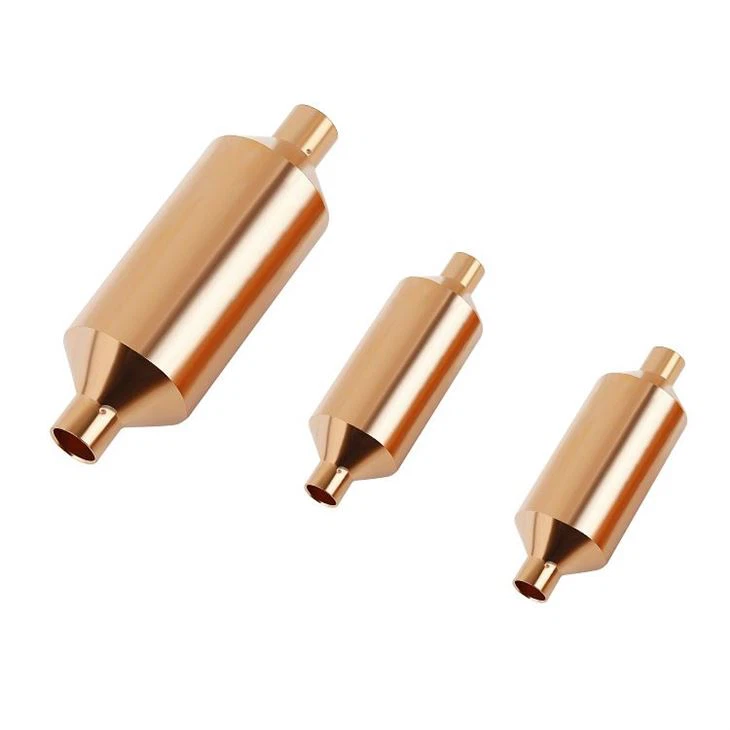
We offer a wide range of copper drier filters suitable for various refrigerant types. Whether you need an Air Conditioner Filter Drier for HVAC Parts, Refrigeration Filters, or AC Filter Driers, we have the right solution for you.
Conclusion
In conclusion, there are indeed significant differences in copper drier filters for different refrigerant types. These differences are based on the unique properties of each refrigerant, including its chemical stability, moisture solubility, and compatibility with other materials. Understanding these differences and choosing the right filter for your system is crucial for ensuring the efficient and reliable operation of your refrigeration and air - conditioning systems.
If you have any questions about choosing the right copper drier filter for your specific refrigerant type or need further information about our products, please don't hesitate to contact us. We are here to help you make the best choice for your system and look forward to discussing your procurement needs with you.
References
- ASHRAE Handbook - Refrigeration. American Society of Heating, Refrigerating and Air - Conditioning Engineers.
- "Refrigerant and Lubricant Compatibility" by various industry research papers.
- Manufacturer's technical documents on copper drier filters and refrigerants.