

As a supplier of Refrigerator Dryer Filters, I understand the critical role these components play in the efficient operation of refrigeration systems. A well - maintained refrigerator dryer filter ensures the longevity of the equipment, improves cooling performance, and reduces energy consumption. In this blog, I will share some valuable insights on how to maintain a refrigerator dryer filter effectively.
Understanding the Importance of a Refrigerator Dryer Filter
Before delving into maintenance, it's essential to understand why a refrigerator dryer filter is so crucial. Refrigeration systems work by circulating refrigerant through a closed loop. During this process, the refrigerant can pick up moisture, debris, and contaminants. If these impurities are not removed, they can cause significant problems. Moisture can lead to ice formation in the system, which can block refrigerant flow and damage components. Debris and contaminants can cause wear and tear on the compressor and other moving parts, reducing the system's efficiency and lifespan.
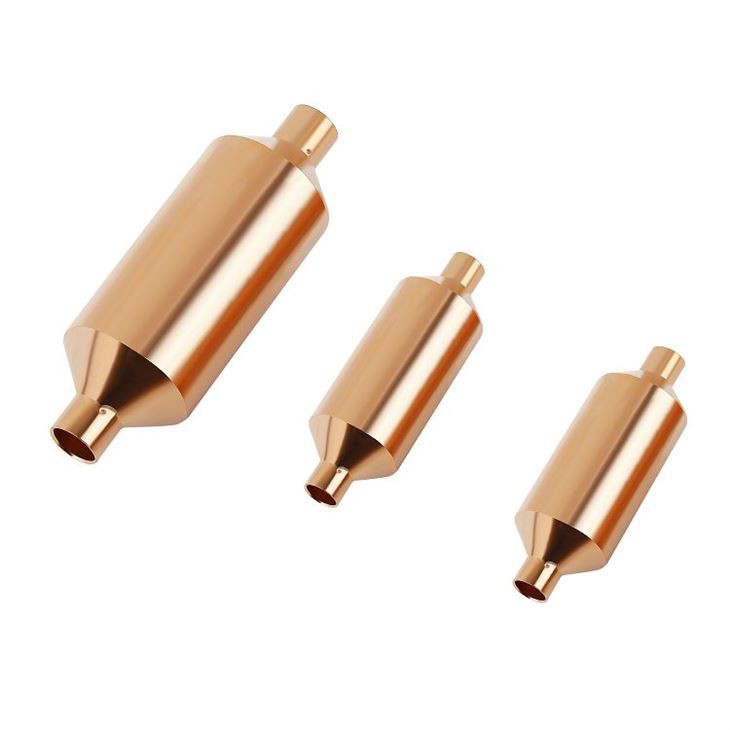
A refrigerator dryer filter acts as a barrier, removing moisture and contaminants from the refrigerant. It typically contains a desiccant material that absorbs moisture and a filter element that traps debris. By keeping the refrigerant clean and dry, the filter helps the refrigeration system operate at its best.
Regular Inspection
The first step in maintaining a refrigerator dryer filter is regular inspection. Inspect the filter visually at least once a month. Look for signs of damage, such as cracks, dents, or leaks. A damaged filter may not function properly and could allow contaminants to pass through.
Check the pressure drop across the filter. A significant increase in pressure drop indicates that the filter is clogged and needs to be replaced. You can use a pressure gauge to measure the pressure before and after the filter. If the pressure drop exceeds the manufacturer's recommended limit, it's time to take action.
Cleaning the Filter
In some cases, a dirty filter can be cleaned instead of replaced. However, this depends on the type of filter and the level of contamination. For filters with removable filter elements, carefully remove the element and clean it using a soft brush or compressed air. Make sure to follow the manufacturer's instructions for cleaning.
If the filter is not designed to be cleaned or if the contamination is severe, it's best to replace the filter. Continuing to use a heavily contaminated filter can cause more harm than good, as it may not be able to effectively remove impurities from the refrigerant.
Replacing the Filter
Replacing the refrigerator dryer filter is a critical maintenance task. The frequency of replacement depends on several factors, including the operating conditions of the refrigeration system, the type of refrigerant used, and the quality of the filter. As a general rule, it's recommended to replace the filter every 6 - 12 months.
When replacing the filter, make sure to use a high - quality filter that is compatible with your refrigeration system. Our company offers a wide range of high - performance refrigerator dryer filters, including the Air Conditioner Filter Drier for HVAC Parts, Two Way Filter Copper, and Refrigeration Copper Filter. These filters are designed to meet the highest industry standards and provide reliable performance.
Before installing the new filter, make sure to clean the filter housing to remove any debris or contaminants. Follow the manufacturer's instructions for proper installation, including tightening the connections to the correct torque.
Maintaining the Desiccant
The desiccant in the refrigerator dryer filter is responsible for absorbing moisture. Over time, the desiccant can become saturated and lose its effectiveness. To ensure the desiccant is working properly, monitor the moisture level in the refrigeration system. You can use a moisture indicator or a dew point meter to measure the moisture content.
If the desiccant is saturated, it needs to be replaced. Some filters are designed with replaceable desiccant cartridges, which makes the replacement process easier. When replacing the desiccant, make sure to handle it carefully to avoid exposing it to moisture in the air.
System Flushing
In some cases, a refrigeration system may become contaminated with oil, debris, or other substances. If this happens, a system flush may be necessary. A system flush involves circulating a cleaning solution through the refrigeration system to remove contaminants.
Before performing a system flush, make sure to consult the manufacturer's instructions and follow all safety precautions. After the system flush, replace the refrigerator dryer filter to ensure that any remaining contaminants are removed from the refrigerant.
Training and Education
Proper maintenance of a refrigerator dryer filter requires knowledge and skills. It's important to train your maintenance staff on the correct procedures for inspecting, cleaning, and replacing the filter. Provide them with access to the manufacturer's technical documentation and training materials.
In addition, stay updated on the latest industry trends and best practices for refrigerator dryer filter maintenance. Attend industry conferences, seminars, and training courses to learn from experts and stay ahead of the curve.
Conclusion
Maintaining a refrigerator dryer filter is essential for the efficient and reliable operation of a refrigeration system. By following the steps outlined in this blog, you can ensure that your filter is working at its best and that your refrigeration system is protected from damage.

If you are looking for high - quality refrigerator dryer filters or need more information on filter maintenance, we are here to help. Our team of experts can provide you with the right products and advice to meet your needs. Contact us today to start a conversation about your filter requirements and explore how we can assist you in optimizing your refrigeration system.
References
- Refrigeration System Maintenance Manuals from leading manufacturers
- Industry standards and guidelines for refrigeration system operation and maintenance