


Cleaning a filter drier pipe fitting is a crucial maintenance task that ensures the efficient and reliable operation of HVAC and refrigeration systems. As a supplier of high-quality Filter Drier Pipe Fittings, I understand the importance of proper cleaning procedures to maximize the lifespan and performance of these components. In this blog post, I will share detailed steps on how to clean a filter drier pipe fitting effectively.
Step 1: Gather the Necessary Tools and Materials
Before you start cleaning the filter drier pipe fitting, it is essential to gather all the required tools and materials. Here's a list of what you'll need:

- Safety goggles and gloves: Protect your eyes and hands from any potential hazards.
- Cleaning solution: You can use a mild detergent or a specialized cleaning agent designed for HVAC and refrigeration systems. Make sure the cleaning solution is compatible with the materials of the filter drier pipe fitting.
- Soft-bristled brush: A soft-bristled brush will help you remove dirt, debris, and contaminants from the surface of the fitting without causing any damage.
- Compressed air: Compressed air can be used to blow out any loose particles and dry the fitting after cleaning.
- Clean, lint-free cloth: Use a clean, lint-free cloth to wipe down the fitting and remove any remaining moisture.
Step 2: Shut Down the System
Before you begin cleaning the filter drier pipe fitting, it is crucial to shut down the HVAC or refrigeration system to ensure your safety. Turn off the power supply to the system and allow it to cool down completely. This will prevent any potential injuries and ensure that the cleaning process is carried out safely.
Step 3: Remove the Filter Drier Pipe Fitting
Once the system is shut down and cooled down, you can proceed to remove the filter drier pipe fitting. Depending on the type of fitting and the system configuration, you may need to use a wrench or other tools to loosen and remove the fitting. Be careful not to damage the fitting or any other components during the removal process.
Step 4: Inspect the Fitting
After removing the filter drier pipe fitting, carefully inspect it for any signs of damage, corrosion, or blockage. Look for cracks, leaks, or other visible defects that may affect the performance of the fitting. If you notice any significant damage, it may be necessary to replace the fitting instead of cleaning it.
Step 5: Clean the Fitting
Once you have inspected the fitting and determined that it can be cleaned, you can proceed to clean it using the tools and materials you gathered earlier. Here's how to clean the fitting:
- Dip the soft-bristled brush into the cleaning solution and gently scrub the surface of the fitting. Pay special attention to the areas where dirt, debris, and contaminants are likely to accumulate, such as the inlet and outlet ports, the filter element, and the connection points.
- Use compressed air to blow out any loose particles and debris from the fitting. Hold the fitting at an angle to allow the particles to fall out easily.
- Rinse the fitting thoroughly with clean water to remove any remaining cleaning solution and contaminants.
- Use a clean, lint-free cloth to wipe down the fitting and remove any remaining moisture.
Step 6: Dry the Fitting
After cleaning the filter drier pipe fitting, it is important to dry it thoroughly to prevent corrosion and other damage. You can use compressed air to blow dry the fitting or allow it to air dry naturally. Make sure the fitting is completely dry before reinstalling it.
Step 7: Reinstall the Fitting
Once the fitting is dry, you can reinstall it in the HVAC or refrigeration system. Make sure the fitting is properly aligned and tightened to prevent any leaks or other issues. Follow the manufacturer's instructions for reinstalling the fitting and make sure all the connections are secure.
Step 8: Restart the System
After reinstalling the filter drier pipe fitting, you can restart the HVAC or refrigeration system. Turn on the power supply and check the system for any leaks or other issues. Monitor the system's performance to ensure that it is operating efficiently and effectively.
Benefits of Regular Cleaning
Regularly cleaning the filter drier pipe fitting offers several benefits, including:
- Improved system performance: A clean filter drier pipe fitting allows for better airflow and refrigerant flow, which can improve the efficiency and performance of the HVAC or refrigeration system.
- Extended lifespan: By removing dirt, debris, and contaminants from the fitting, you can prevent corrosion and other damage, which can extend the lifespan of the fitting and the entire system.
- Reduced energy consumption: A clean system operates more efficiently, which can reduce energy consumption and lower your utility bills.
- Enhanced reliability: Regular maintenance, including cleaning the filter drier pipe fitting, can help prevent breakdowns and other issues, ensuring that your system operates reliably and consistently.
Our Product Offerings
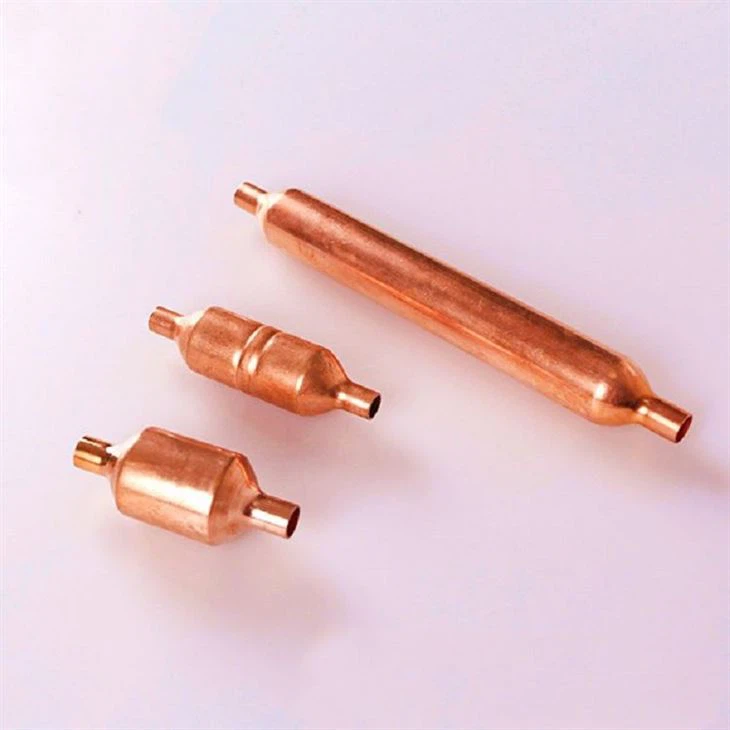
As a leading supplier of Filter Drier Pipe Fittings, we offer a wide range of high-quality products to meet the needs of HVAC and refrigeration professionals. Our products include Air Conditioner Filter Drier for HVAC Parts, Copper Drier, and Refrigeration Copper Filter Drier. Our products are designed and manufactured to the highest standards of quality and performance, ensuring that they provide reliable and efficient operation in a variety of applications.
Contact Us for Procurement
If you are in the market for high-quality Filter Drier Pipe Fittings or have any questions about our products or services, please do not hesitate to contact us. Our team of experts is here to assist you with your procurement needs and provide you with the best solutions for your HVAC and refrigeration systems. We look forward to working with you and helping you achieve optimal system performance.
References
- ASHRAE Handbook - HVAC Systems and Equipment. American Society of Heating, Refrigerating and Air-Conditioning Engineers.
- Manufacturer's installation and maintenance manuals for HVAC and refrigeration systems.