


In the intricate ecosystem of air conditioning (AC) and refrigeration systems, maintaining the correct refrigerant pressure is paramount for optimal performance, energy efficiency, and longevity. One often-overlooked yet crucial component in achieving this balance is the AC filter drier. As a trusted AC Filter Driers supplier, I am excited to delve into the multifaceted role of these devices and how they contribute to the proper functioning of refrigerant systems.
Understanding Refrigerant Pressure and Its Importance
Refrigerant pressure is the force exerted by the refrigerant gas within the AC or refrigeration system. It is a dynamic parameter that varies depending on the system's operating conditions, such as temperature, load, and compressor speed. Maintaining the correct refrigerant pressure is essential for several reasons:
- Efficient Heat Transfer: Refrigerants absorb and release heat as they change state from a liquid to a gas and back again. Proper pressure ensures that the refrigerant can effectively transfer heat between the indoor and outdoor environments, resulting in efficient cooling or heating.
- Compressor Protection: The compressor is the heart of the AC system, responsible for compressing the refrigerant and circulating it through the system. Incorrect refrigerant pressure can put excessive stress on the compressor, leading to premature wear and failure.
- System Reliability: Stable refrigerant pressure helps prevent system malfunctions, such as refrigerant leaks, ice formation, and compressor short-cycling. This improves the overall reliability and longevity of the AC or refrigeration system.
The Role of the AC Filter Drier
The AC filter drier is a small but mighty component that plays a crucial role in maintaining the correct refrigerant pressure. It is typically installed in the liquid line of the AC or refrigeration system, between the condenser and the expansion valve. The primary functions of the AC filter drier are:
- Moisture Removal: Moisture is one of the biggest enemies of refrigerant systems. When water enters the system, it can react with the refrigerant and lubricating oil to form acids, which can corrode the system components and reduce its efficiency. The filter drier contains a desiccant material, such as molecular sieve or activated alumina, that absorbs and traps moisture, preventing it from circulating through the system.
- Contaminant Filtration: In addition to moisture, refrigerant systems can also be contaminated with dirt, debris, and metal particles. These contaminants can clog the expansion valve, reduce the efficiency of the evaporator and condenser, and cause damage to the compressor. The filter drier is equipped with a filter element that captures and removes these contaminants, ensuring that the refrigerant flowing through the system is clean and free of debris.
- Acid Neutralization: As mentioned earlier, moisture in the refrigerant system can react with the refrigerant and lubricating oil to form acids. These acids can cause corrosion and damage to the system components, leading to reduced efficiency and premature failure. Some filter driers are designed to neutralize these acids, providing an additional layer of protection for the system.
How the AC Filter Drier Affects Refrigerant Pressure
The proper functioning of the AC filter drier is essential for maintaining the correct refrigerant pressure. By removing moisture and contaminants from the refrigerant, the filter drier helps to ensure that the refrigerant can flow freely through the system and perform its heat transfer function efficiently. Here's how the filter drier affects refrigerant pressure:
- Preventing Expansion Valve Blockage: The expansion valve is responsible for regulating the flow of refrigerant into the evaporator. If the expansion valve becomes clogged with contaminants, it can restrict the flow of refrigerant, causing a drop in refrigerant pressure and reduced cooling capacity. The filter drier helps to prevent this by capturing and removing contaminants before they can reach the expansion valve.
- Maintaining Optimal Refrigerant Flow: A clean and dry refrigerant is essential for maintaining optimal refrigerant flow through the system. Moisture and contaminants can cause the refrigerant to become viscous, reducing its ability to flow freely through the system. The filter drier helps to keep the refrigerant clean and dry, ensuring that it can flow smoothly through the system and maintain the correct pressure.
- Protecting the Compressor: The compressor is the most critical component of the AC system, and it is essential to protect it from damage. Incorrect refrigerant pressure can put excessive stress on the compressor, leading to premature wear and failure. The filter drier helps to maintain the correct refrigerant pressure by removing moisture and contaminants from the system, reducing the risk of compressor damage.
Types of AC Filter Driers
There are several types of AC filter driers available on the market, each designed to meet the specific needs of different refrigerant systems. Some of the most common types of filter driers include:
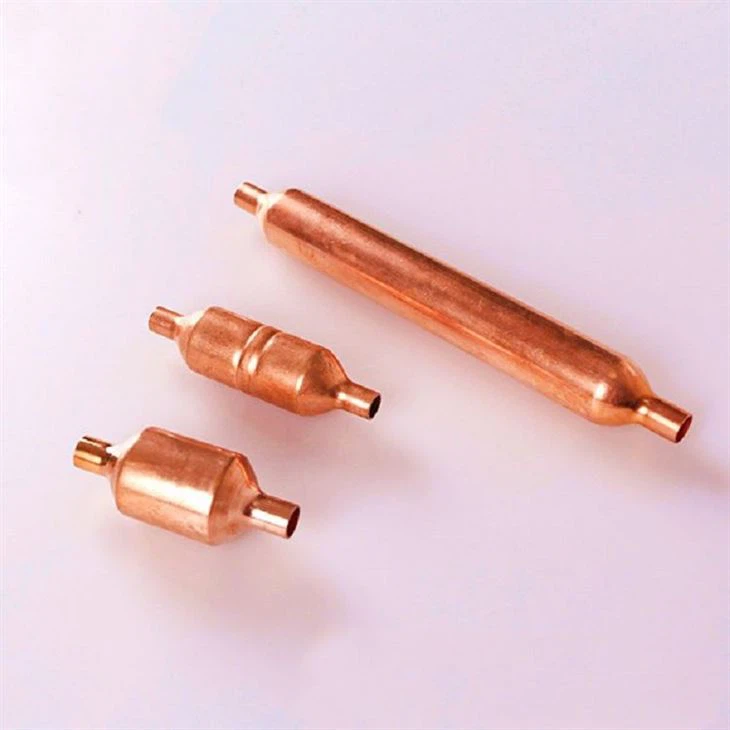
- Copper Filter Drier: Copper filter driers are made of copper tubing and are commonly used in residential and commercial AC systems. They are known for their excellent heat transfer properties and corrosion resistance.
- Refrigeration Filter Drier: Refrigeration filter driers are designed specifically for use in refrigeration systems, such as commercial refrigerators and freezers. They are typically larger and more robust than AC filter driers and are capable of handling higher refrigerant pressures.
- Refrigeration Copper Filter Drier: Refrigeration copper filter driers combine the benefits of copper construction with the specific requirements of refrigeration systems. They are commonly used in industrial and commercial refrigeration applications.
Choosing the Right AC Filter Drier
Choosing the right AC filter drier is essential for ensuring the proper functioning of your refrigerant system. When selecting a filter drier, it is important to consider the following factors:
- System Capacity: The size and capacity of the filter drier should be matched to the size and capacity of the refrigerant system. A filter drier that is too small may not be able to effectively remove moisture and contaminants from the system, while a filter drier that is too large may be unnecessary and costly.
- Refrigerant Type: Different refrigerants have different properties and requirements, and it is important to choose a filter drier that is compatible with the refrigerant used in your system. Some filter driers are designed specifically for use with certain types of refrigerants, such as R-22, R-410A, or R-134a.
- Operating Conditions: The operating conditions of the refrigerant system, such as temperature, pressure, and humidity, can also affect the performance of the filter drier. It is important to choose a filter drier that is designed to operate under the specific conditions of your system.
Conclusion
In conclusion, the AC filter drier plays a crucial role in maintaining the correct refrigerant pressure in AC and refrigeration systems. By removing moisture, contaminants, and acids from the refrigerant, the filter drier helps to ensure that the refrigerant can flow freely through the system and perform its heat transfer function efficiently. This, in turn, helps to improve the efficiency, reliability, and longevity of the AC or refrigeration system.
As a leading supplier of AC Filter Driers, we understand the importance of providing high-quality products that meet the specific needs of our customers. Our filter driers are designed and manufactured to the highest standards of quality and performance, and we offer a wide range of products to choose from, including Copper Filter Drier, Refrigeration Filter Drier, and Refrigeration Copper Filter Drier.

If you are looking for a reliable and cost-effective solution for maintaining the correct refrigerant pressure in your AC or refrigeration system, we invite you to contact us to discuss your specific needs. Our team of experts will be happy to help you choose the right filter drier for your system and provide you with the support and assistance you need to ensure its proper installation and operation.
References
- ASHRAE Handbook - Refrigeration. American Society of Heating, Refrigerating and Air-Conditioning Engineers.
- Refrigeration and Air Conditioning Technology. William C. Whitman, William M. Johnson, John Tomczyk, and Eugene Silberstein.
- Air Conditioning and Refrigeration Systems. Eugene Silberstein and William C. Whitman.